
With its clean roads, well maintained spaces, scenic beaches, unique rocky shoreline and quaint look and feel, Daman is an amazing gateway for tourists, especially from the neighboring states of Maharashtra and Gujarat.
Colonial history in India has of late been a fuel for politicking, subject of irrational debating and a roaring topic over social media. However, there are thriving examples of a completely different reality one can witness in many cities of India that are deeply rooted in colonial history.
When history is viewed from a perspective that unfolds from the pages of books, from the traps of judgment, it is a seamless and boundless reality! Some of the coastal cities of India steeped in Portuguese colonial past are fine illustrations of this timeless celebration of a vibrant confluence of cultures, rising above bigotry and jingoism that history discourses witness today. The past coexists with the present in a harmonious tapestry of architecture, cuisines and linguistics.
Some cityscapes fascinatingly represent time not in the linearity of past, present and future but as infinity in existence. The coastal city of Daman, the capital of the Indian union territory of Dadra and Nagar Haveli and Daman and Diu, is one of them. With its clean roads, scenic beaches, distinctively rocky shoreline and quaint look and feel, it’s an amazing gateway for tourists, especially from the neighboring states of Maharashtra and Gujarat.
Home to Portuguese Rule for 400 Years — the Legacy Lives On
Like many of the chance arrivals of sailors in the past, the Portuguese Captain-Major Diogo de Melo landed at Daman shore by accident in 1523 after a violent storm blew his boat towards the coast of the city. He was originally sailing towards Ormuz, the present day Hormuz, the strait that has become a critical focus in the ongoing US-Israel-Iran war. It was acquired as a Portuguese colony for over 400 years, until 1961.
A Tale of Two Cities
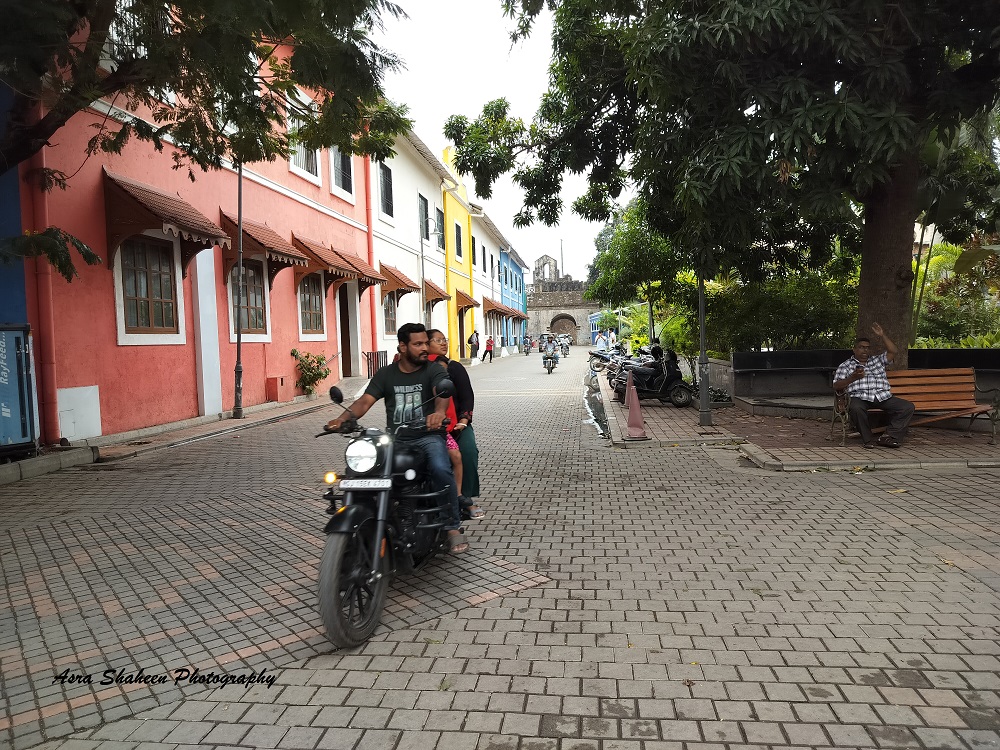
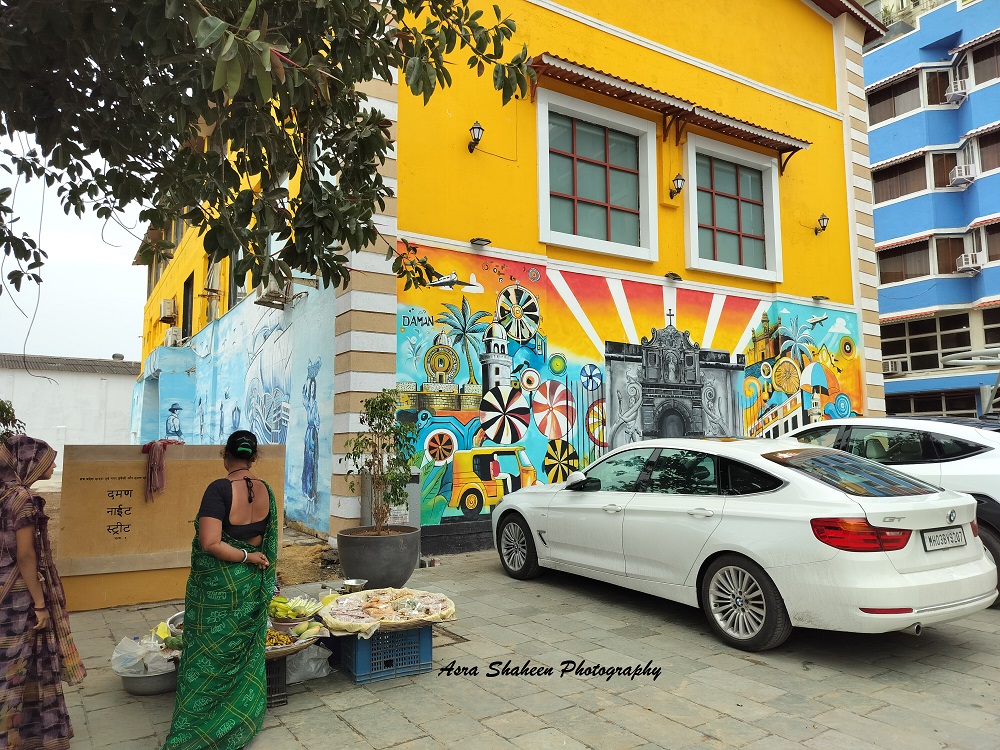
Located on the Arabian Sea, the city is divided by River Ganga into Nani-Daman (small or new) and Moti-Daman (big or old), both connected by a bridge.
Vivid Street Art
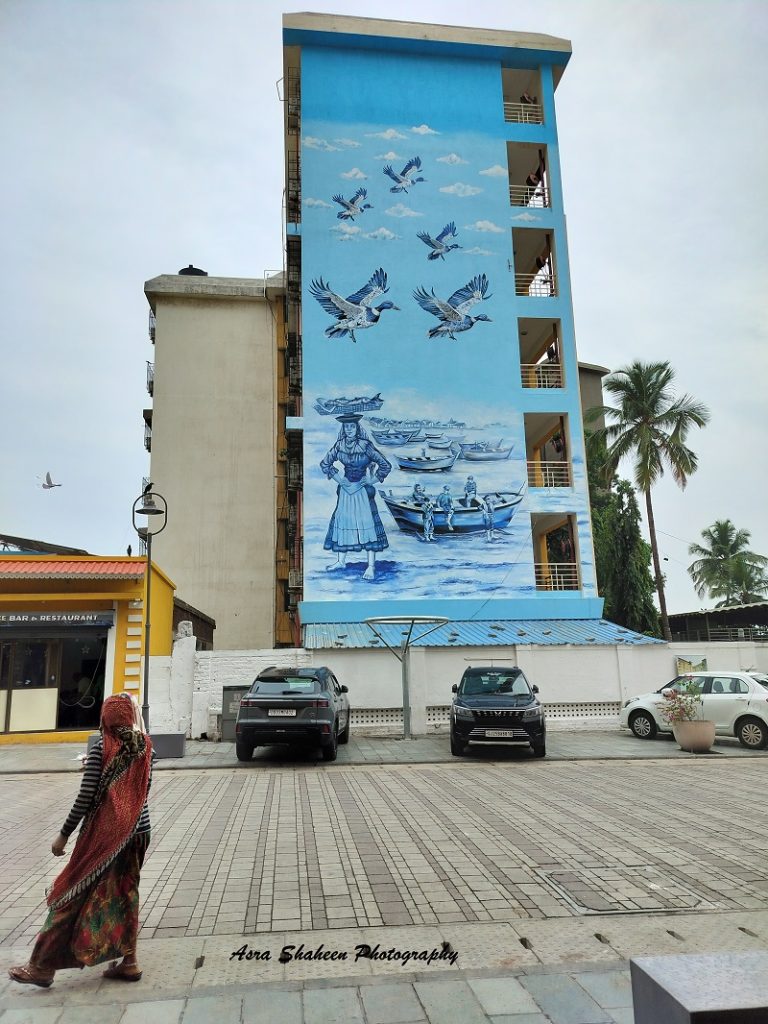
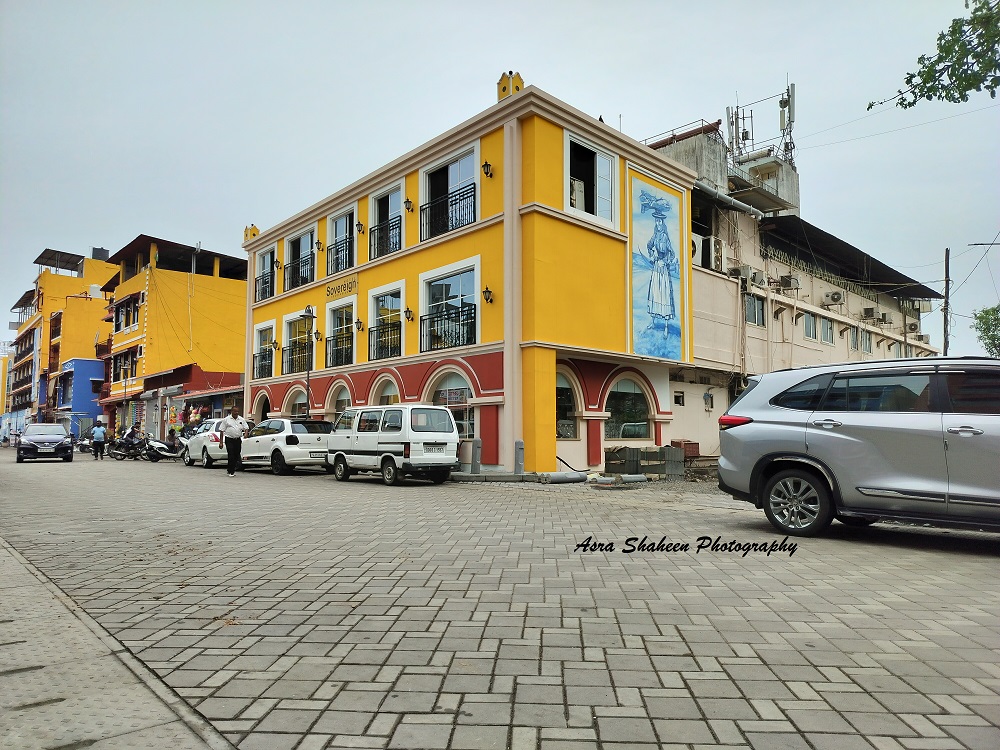
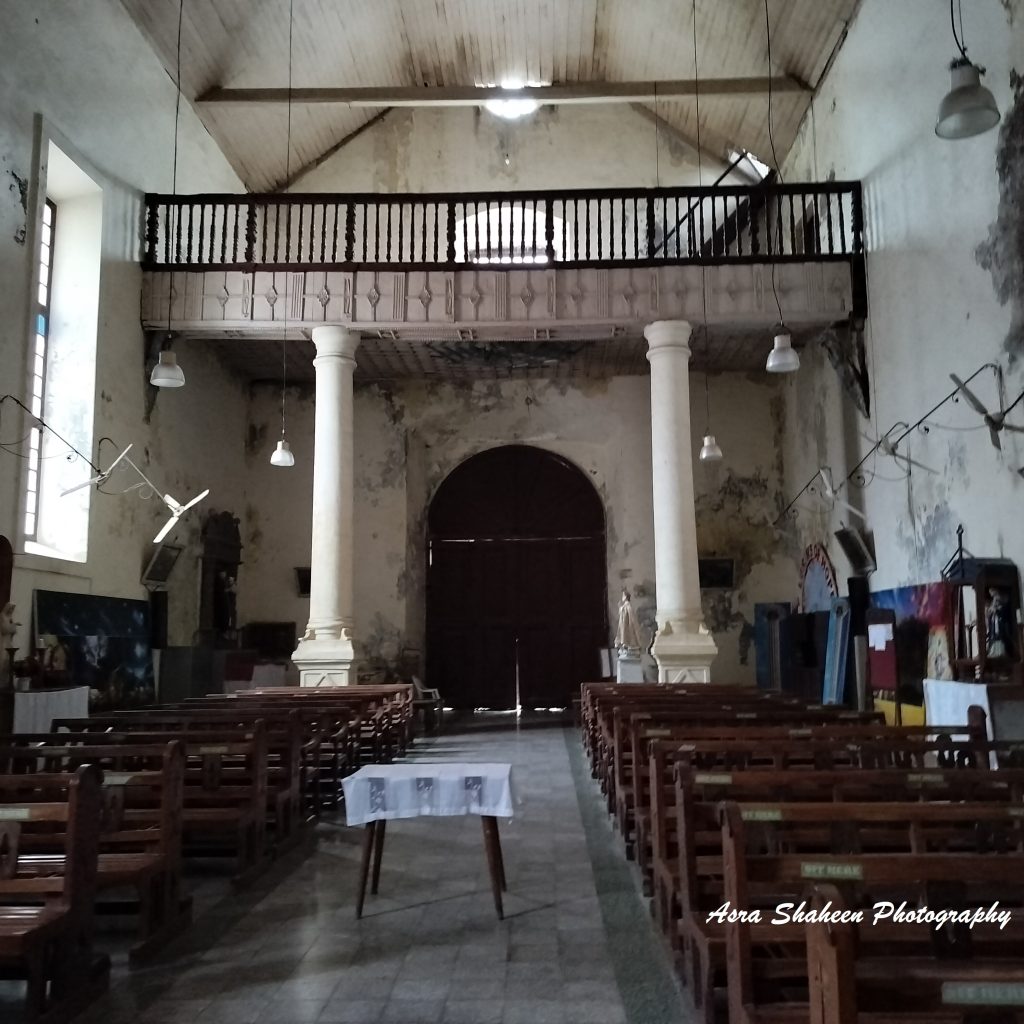
Moti Daman is a fortified town, featuring the large Moti Daman Fort built in 1559. It houses government offices, Church of Bom Jesus, and gardens. For those who are familiar with Goa, it is sure to remind you of Fontainhas. Nani Daman is known for the Fort of St. Jerome overlooking the river, vibrant tourist spots, vivid street art and rocky shoreline.
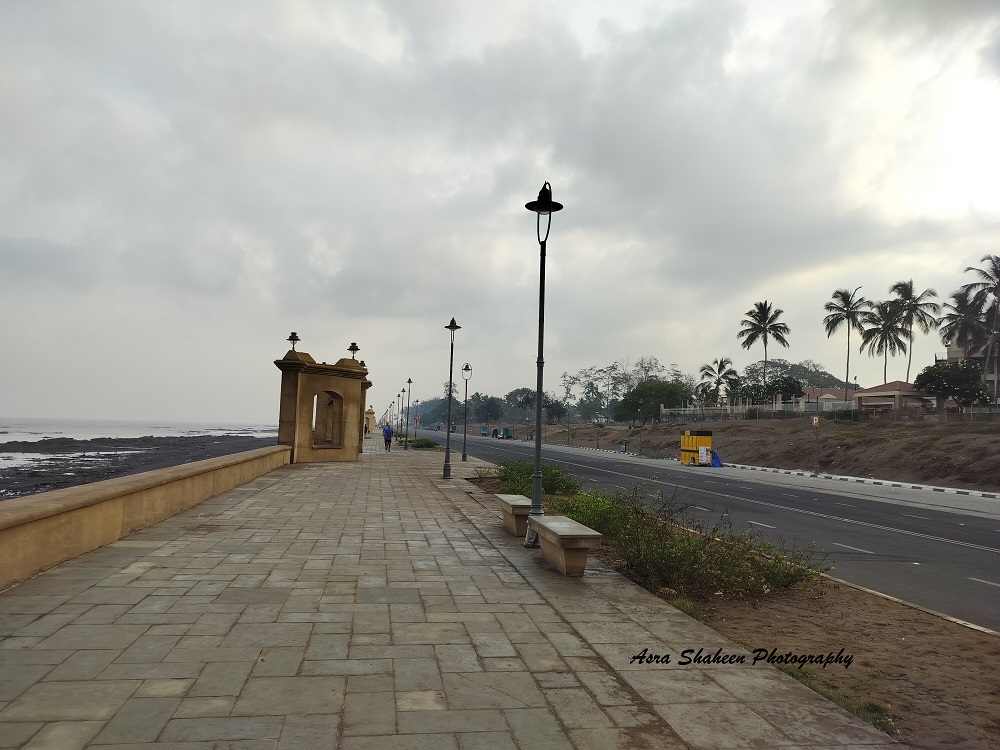
Devka Beach – Scenic Promenade & Unique Rocky Shoreline
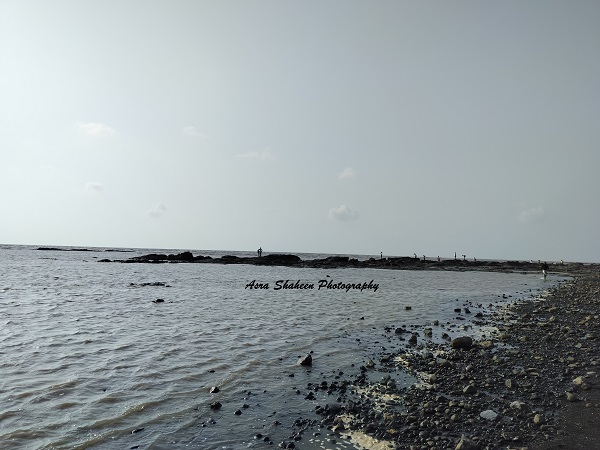
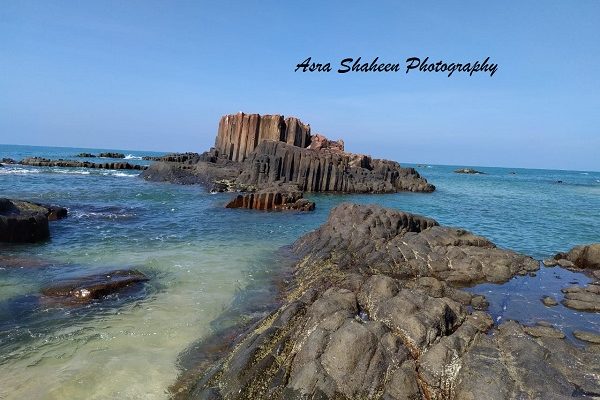
Situated in Nani Daman, Devka is a picturesque beach with a scenic promenade and unique black rocky shoreline. The rocky formation, instead of the widely found sandy beaches, is a result of waves crashing against the ancient rocks. The rocky terrain is visible during low tide.
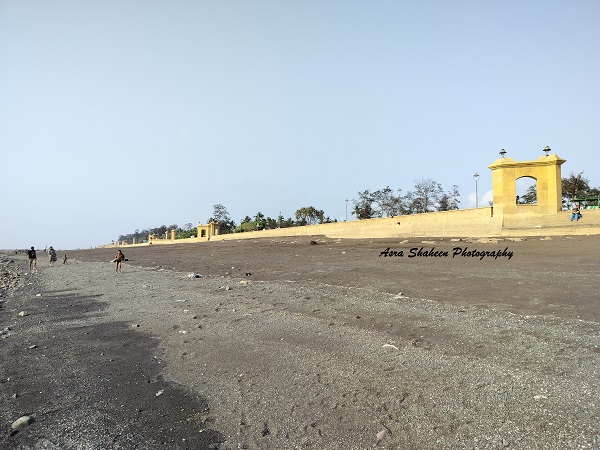
Jampore Beach Glows Golden at Sunrise & Sunset
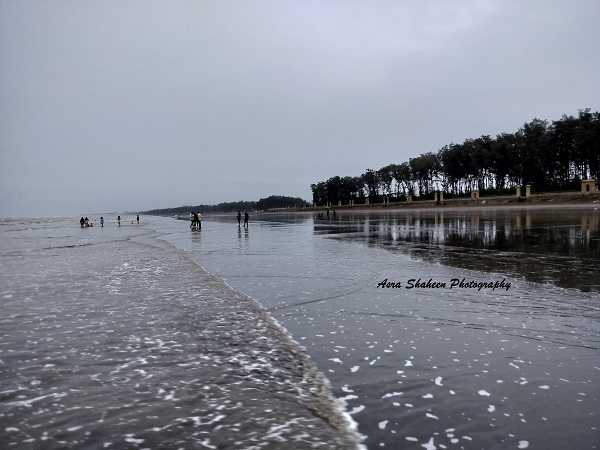
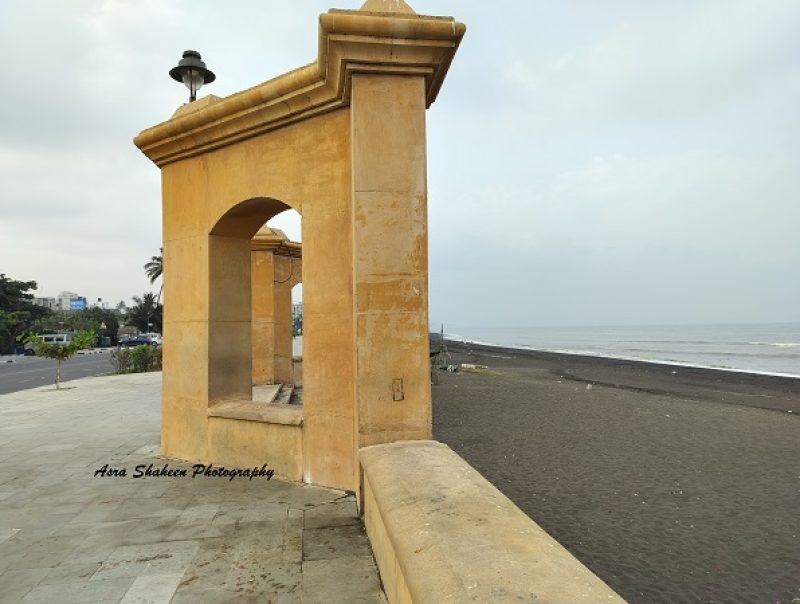
Unlike the Devka Beach, Jampore beach, which is located 5 km from Moti Daman, has soft black-hued sand. However, at the time of sunrise and sunset, the sand appears golden owing to the illumination of the golden hour sunlight. The shallow waters and super soft sand makes it a popular destination for kids and families, especially during evenings.
The cuisine in the union territory is a mix of the regional Gujarati and Portuguese-influenced Goan flavors. Fried squid and butter-garlic tiger prawns are a specialty among seafood items.