
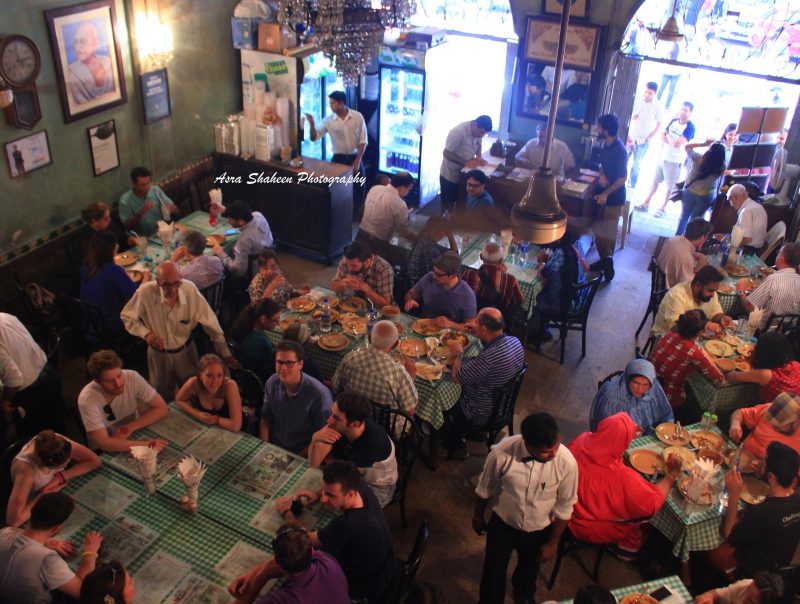
There’s so much about the quaint and bustling coffeehouses, Irani cafes and tiffin rooms that feels home. No pretence or sham and yet these bustling eateries are duly comforting, sprightly and uplifting. The writing on the wall is loud and clear – unassumingly yours! In a world of extravagant and fanciful dining options, these timeless economical eateries still hold a special charm in the hearts of people. Here’s a Vibezeen Exclusive on the café culture, with a special focus on Irani cafes in India.
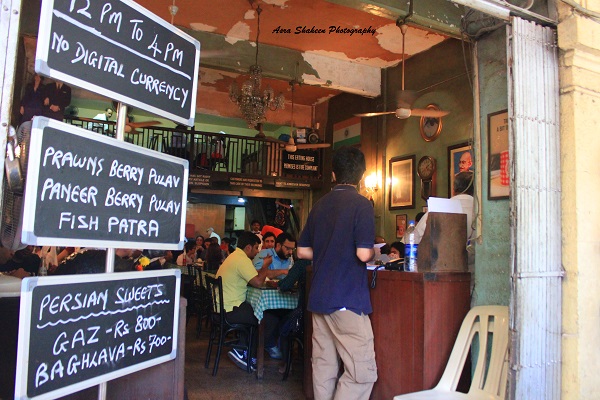
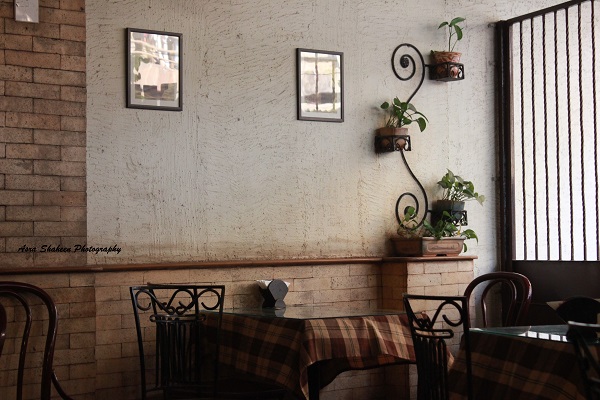
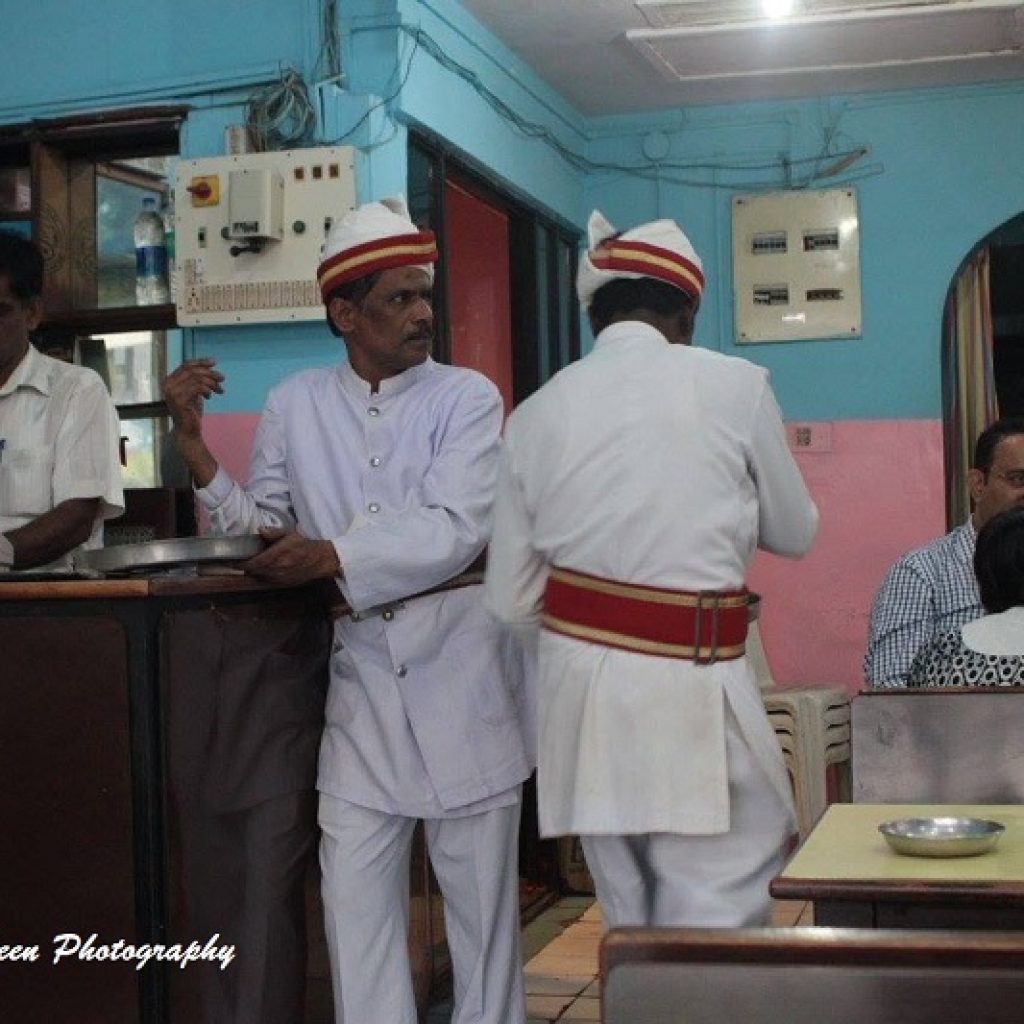
Those non-descript walls are very ordinary looking and yet quite inviting. Paints chip off here and there and patches of touch up everywhere. Bold lettered instructions and menu chalkboards put up somewhere or the other. Slightly worn out but very sturdy are the steam-bent beechwood chairs. The marble-top tables are wiped clean but not completely rid of greasy blotches that ooze with pride and without even the slightest of embarrassment. For they stand testimony to the countless meals served on them daily. Creased and faded, the menu book is more of a ready reckoner. For the regulars and habitual old-timers can list out their favourites by heart. Not to forget the familiar waiters behind the clatter of plates who take orders by memory and jiffy notes in chits. They somehow know what’s coming from the customer even before it’s uttered. That moment when the reassuring sight of the bearer arriving with food towards your table changes into a tantalizing twist as he turns his back to serve your neighbouring table. And then the ever-present smells of crusty-buttery bread and yeast or spicy and sweet savouries…
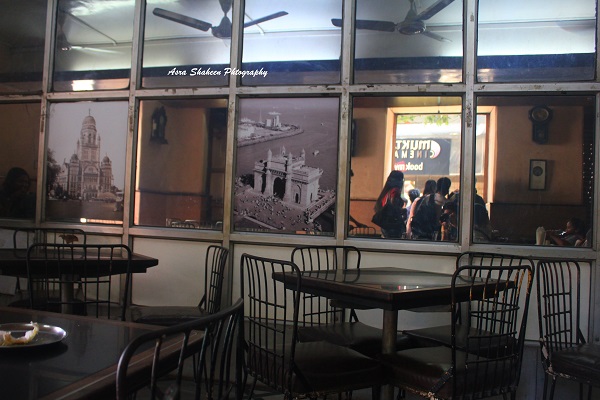
You simply cannot miss the central high-perch cash counter, mostly near the entrance. With an underlooking poker face, the owner throws commanding glances at the entire floor. His instructions to the staff are brisk and authoritative.
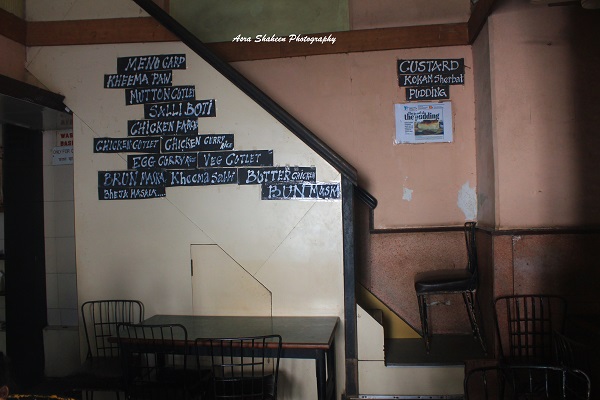
There’s so much about the quaint and bustling Irani cafes and coffee shops that feels generously home. Not an iota of fanciness. No pretence, no sham and yet the eateries are duly comforting, sprightly and uplifting. The writing on the wall is loud and clear – unassumingly yours!
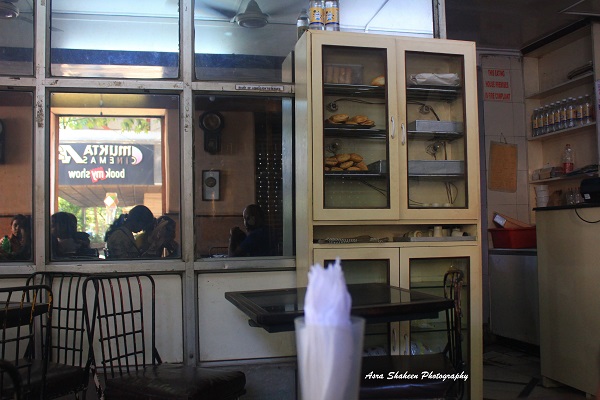
Whether you are on your own, snuggling into oneself with a quite cuppa… or a bunch of colleagues for a tea break on a weekday… With loved ones for a weekend feast… or the shopping companions in twos and threes dropping by for a hurried quickie… No matter who you are, dining at your good-old café needs no pre-bookings, plans or surfing through the food app ratings.
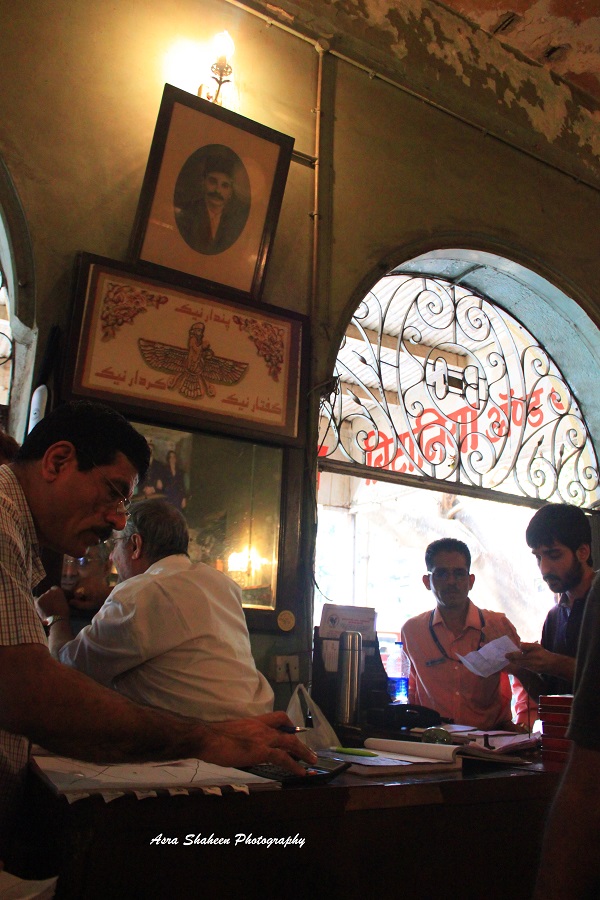
These pocket-friendly eateries keep their doors open to one and all sections of society. Just step in; if you find yourself a table instantly, it’s a jackpot! Else wait for your turn, and gaze at the glaring menu board. When your turn comes, there’s another chance for jackpot — you may find a table right under the high ceiling fan or adjacent to your preferred window. Even if you end up in the middle aisle, remind yourself: what does a hungry, growling stomach need after all — a hearty, satiating meal.
Maqāhī or Qahveh Khaneh — the Original Coffeehouses in the Arab World Were Flourishing Cultural Centres Embraced by Sufi Mystics
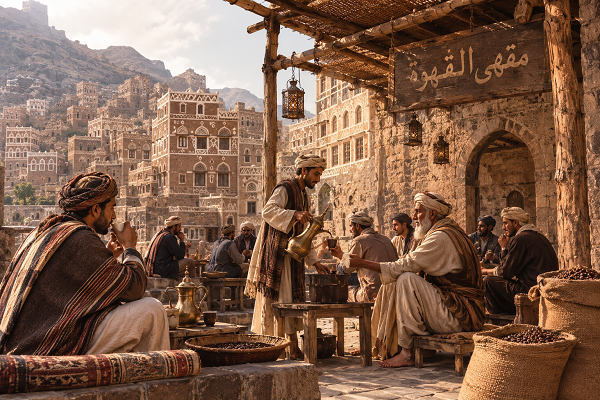
Coffeehouses and cafes originated as social and intellectual hubs in the 9th century in Ethiopian highlands. But it’s in the Arabian Peninsula that the café culture deeply penetrated into the fabric of the Middle Eastern society. By the 15th century, the coffee cultivation and consumption was embraced by Sufi mystics in Yemen. Known as maqāhī or qahveh khaneh, the coffeehouses spread widely across Cairo, Damascus, Mecca, and the Ottoman Empire (including Istanbul) by the 16th century. These became flourishing centers for conversations, political debates, music, and news. So much so that they faced a temporary ban from political and religious authorities, wary of subversion.
Through the route of Venetian trade with the Ottoman Empire, coffee culture reached Europe in the late 16th and 17th centuries. While the first English coffeehouse opened in Oxford and London in 1650s, Paris witnessed the opening of iconic cafes in 1686.
The modern waves of coffeehouses are rooted in Industrial Revolution, World Wars and colonial plantations. European biggies smuggled coffee plants from the Middle East to cultivate them in their colonies (the Portuguese/Spanish in Latin America, the French in the Caribbean, and the Dutch in Java/Indonesia).
The Iconic Irani Cafes of Mumbai & Pune
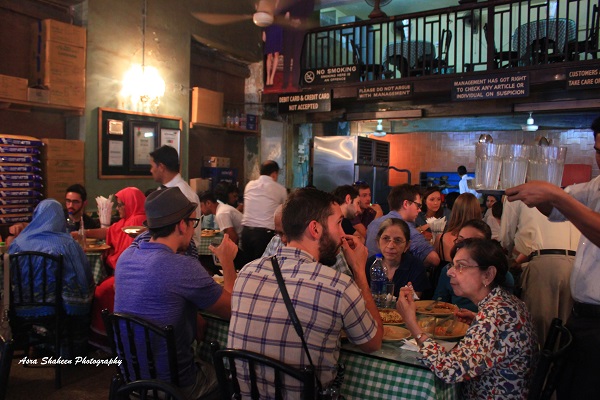
In India, the very popular and much-loved Irani cafes were introduced by the Zoroastrian Iranis. The immigrant community fled religious persecution in Iran and sought shelter in different parts of the world, including India, majorly in Mumbai and Pune. The cafes were mostly established in the late 19th and early 20th centuries. Many of them function as both bakery and restaurant/cafe under the same roof. The first Irani cafe in India is considered to be the Leopold Cafe in Mumbai, which was founded in 1871. Other famous ones in the city comprise Britannia & Co, Kyani & Co, Cafe Excelsior, Yazdani Bakery & Restaurant, Jimmy Boy and B Merwan & Co.
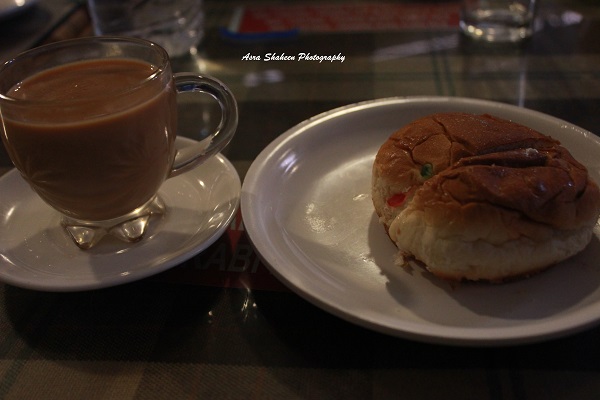
Menu board: Bun maska, brun maska, Irani chai, mawa cake & nankhatai (Bakery); Akuri, keema pav, keema ghotala, poro (Breakfast); Berry pulao, dhansak, sali boti, sali chicken, mutton samosa, chicken cutlets, caramel custard (Parsi main course)
India Coffee House – Meeting Hubs during Freedom Movement
Coffee arrived in the Indian subcontinent in 1670 with a Sufi saint named Baba Budan. Returning from a pilgrimage to Mecca, Baba Budan stopped at Mocha, the Yemeni port. (Yes, that’s where the popular mocha variety of coffee gets its name from.) Baba Budan smuggled seven raw beans from Mocha. When he arrived to India, he planted them on the slopes of the Chandradrona Hills in the Chikmagalur district of Karnataka, a hill station known for its coffee plantations to this day.
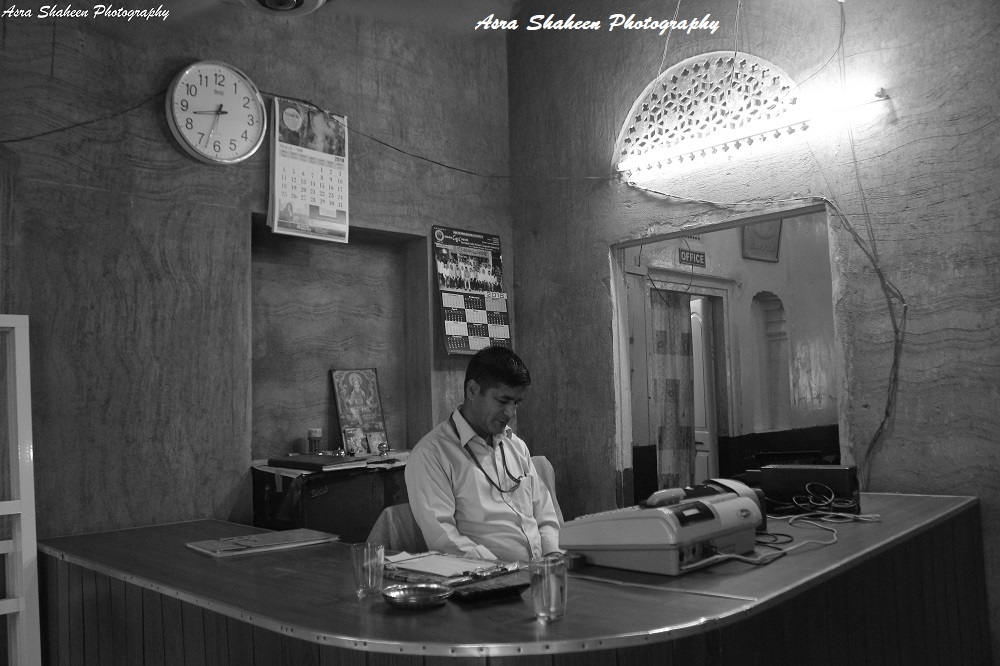
In the 1930s, the India Coffee House (ICH) by the Coffee Cess Committee of the British government was introduced. During the freedom movement, they served as informal meeting hubs and intellectual addas for freedom fighters, students, and political leaders, including Netaji Subhas Chandra Bose. When the Coffee Board closed, several coffeehouses laid off workers in the mid-1950s. Later communist leader AK Gopalan (AKG) organised the employees into worker cooperatives. The first cooperative society was established in Bangalore in August 1957, and the first new ICH opened in Delhi on December 27, 1957. Today, there are 400 – 500 branches across India, with the most iconic one being the Indian Coffee House on College Street, Kolkata.
Menu board: South Indian tiffin items, cutlets, eggs and filter coffee
Tiffin Rooms & Udupi Cafés – Economical Vegetarians Eateries with Brisk Business
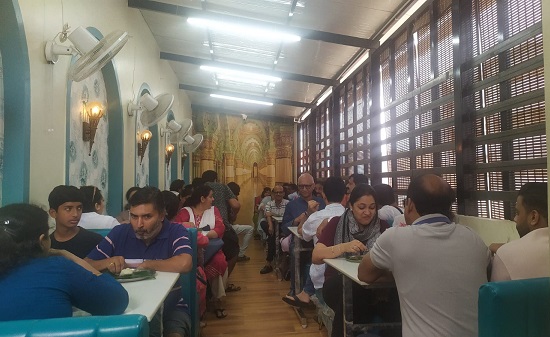
In the Southern India, notably in Bangalore, the iconic tiffin rooms and Udupi culture emerged, serving vegetarian delicacies. These rooms and cafes were born as affordable, pure-vegetarian options pioneered by temple cooks from coastal Karnataka. The devastating 1923 floods in Udupi forced the cooks to migrate to the then Madras (Chennai), Bombay (Mumbai) and Bangalore where they opened low-cost eateries to feed fellow migrants.
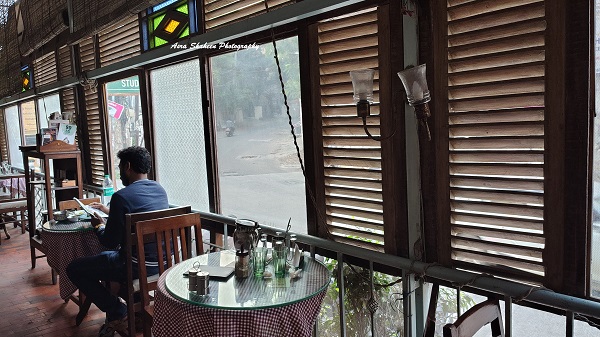
Today, with consumerism growing by leaps and bounds in cities such as Bangalore and Hyderabad, hybrid cafes have caught the fancy of denizens. Inspired by the décor and aesthetics of the vintage coffee shops, these cafes cater to the contemporary patrons with modern variations of the traditional menu.
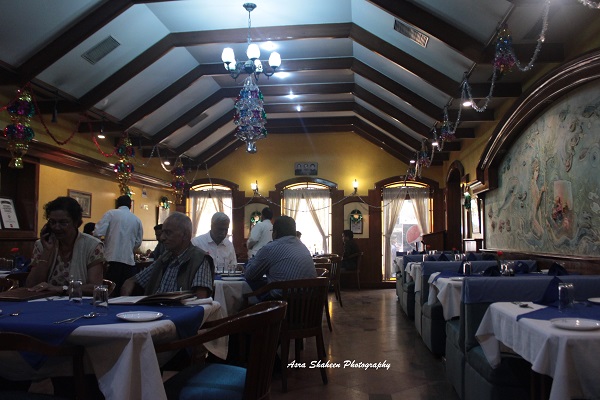
Menu board: South Indian tiffin meals, meals and rice dishes, North Indian and Chinese options
Interesting Fact Files
- A recent web series, Musafir Café, in which café is central to the story plot, was actually filmed at Jharipani Castle, a historic 1932 British-era heritage estate and boutique homestay located in Mussoorie, Uttarakhand.
- You are likely to find some of the most tongue-in-cheek, eccentric lists of rules on walls or menus of Irani cafes: “No flirting with the cashier”; “No free advice”; “No sleeping or snoring”; “No gum chewing or putting gum under tables”.
- Many old Irani cafes in Mumbai and Pune are located on street corners since the local merchants in erstwhile Bombay considered wide-front corner plots inauspicious. The immigrant owners unheeded the superstition and bought them cheap, and made the best of the wide double-street access to let workers walk in and out.
- The popular Paani Kam Chai (literally “tea with less water”) is a strong, rich style of tea made with minimal water and extra-strong, creamy-milky tea, and paired with bun-maska.