
When the Portuguese arrived on the west coast of India, they brought along Pão (pav), a leavened bread bun that went on to become an integral part of Goa and Mumbai’s culinary identity. A host of savoury dishes combined with pav, including the famous vada pav, make for fulfilling and fun loving breakfast, meal or a comforting tea-time snack at the most unassuming streets, eateries, stalls and railway stations.
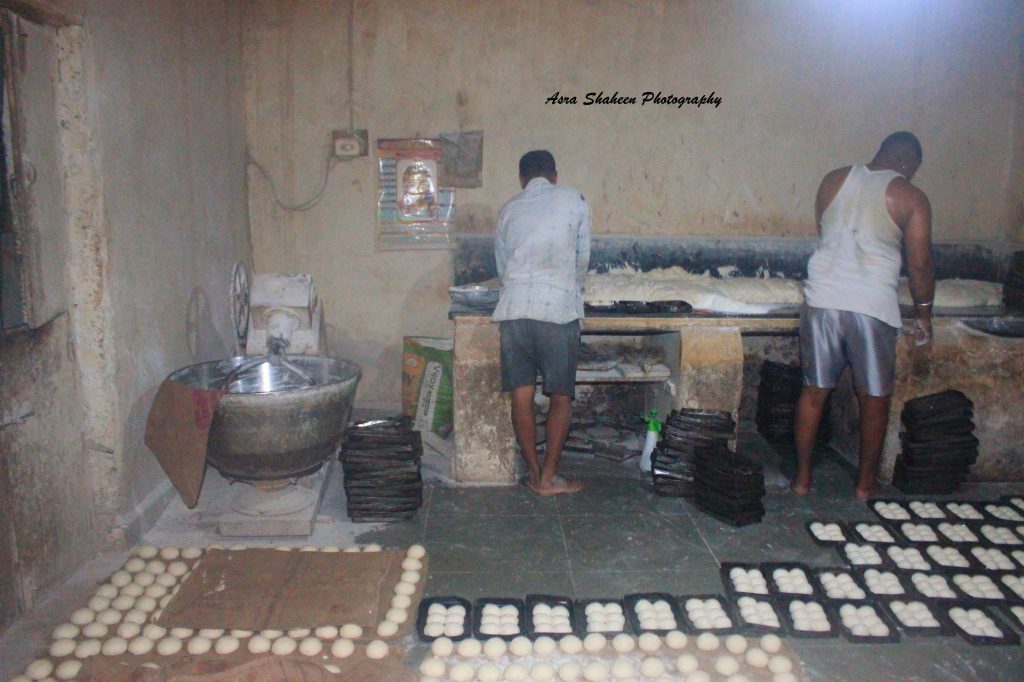
When the Portuguese arrived on the west coast of India in Goa during the 16th century, they introduced something that went on to become an integral part of its culinary identity. A fluffy, spongy, sweet and somewhat smoky bun called “Pão”. Meaning “leavened bread” in Portuguese, pão aka “Pav” in Hindi has ever since been a staple bake for breakfast and mealtime for Goa and Bombay (present day Mumbai).
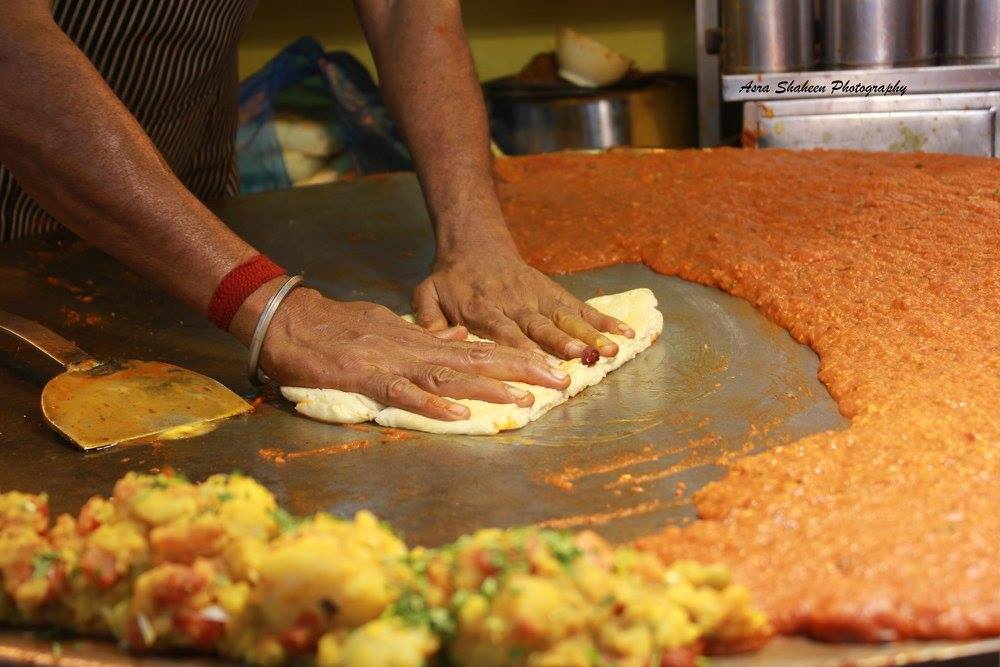
Pav was traditionally fermented using the local toddy (palm wine), which lent the bread its typical sour flavour. It was the Portuguese who also introduced three quintessential ingredients without which Indians cannot imagine cooking their meals — tomatoes, chilles and potatoes. Interestingly, in the western India, these three vegetables are significantly used in dishes that were eventually combined with pav to create the popular chaats (savoury snacks), including the famous pav bhaji.
The Heritage of Portuguese Pão (Pav) in India
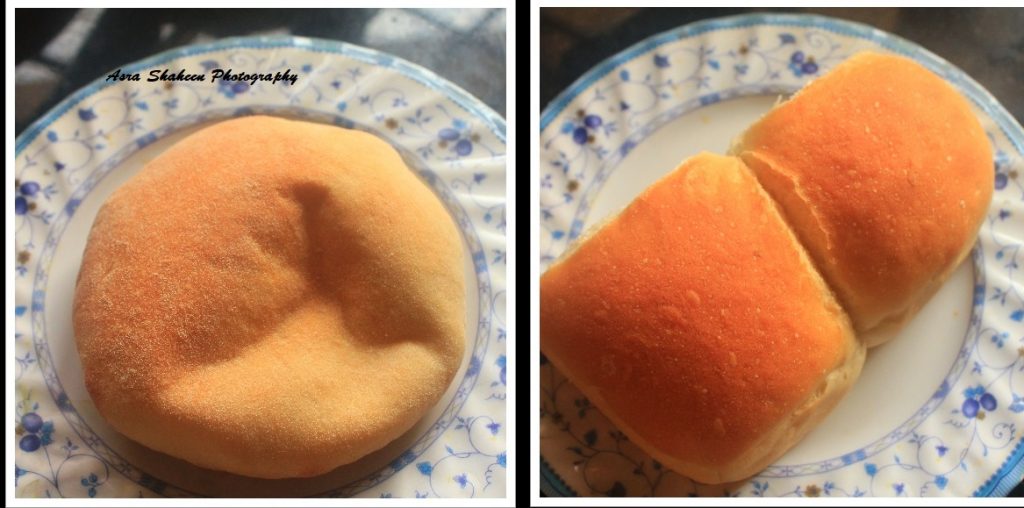
Goa remained a Portuguese colony for nearly 450 years. During their rule in Bombay (from 1534 to 1661), Goan bakers migrated to the commercial hub and spread their bread-making skills through the booming bakeries selling Goan-style breads. Not many of us may know this but in 1661, Bombay was transferred from Portuguese to British rule as part of Catherine of Braganza’s dowry when she married King Charles II of England. However, the royal and strategic political matrimony eternalized the heritage of bread baking in India, and particularly Bombay.
Batata Vada – the Savory Savior of Bombay’s Mill Workers in 1920s
With the British rule, industrialization zoomed ahead, and so did the famous cotton mills of Bombay in early 1900s. Mill workers labored round-the-clock while the street food vendors endeavored to come up with wholesome and tasty solutions to satiate their appetite. One such gastronomic delight churned out was the “batata vada”. (Potato in Portuguese and local Goan and Mumbai lingo is known as “batata”). The chickpea batter-coated potato stuffed fritter dumplings were scrumptious and on-the-fly food for the over timing workers. A restaurant named Mama Kane, which was set up in 1910, is in fact celebrated to have created the first version of batata vada during this period. This unpretentious eatery in Dadar (West) to this day serves some of the most filling meals at nominal rates.
Vada Pav — A Culinary Marriage that Hits the Spot
It’s Ashok Vaidya, a food stall owner outside Dadar Station, selling batata vadas, pohe and tea in the 1960s, who’s credited with the invention of an iconic dish that’s versatile like no other – the vada pav. Many believe that on a busy day when his neighbour omelette pav stall ran out of eggs, Vaidya offered some of his vadas to fill the pavs and that’s how the combination became an instant magic. Vaidya was also inspired by Shiv Sena founder Balasaheb Thackeray’s call to mobilize Maharashtrians at a time when the regional party was founded with the goal of advocating for the rights of the native Marathi-speaking population.
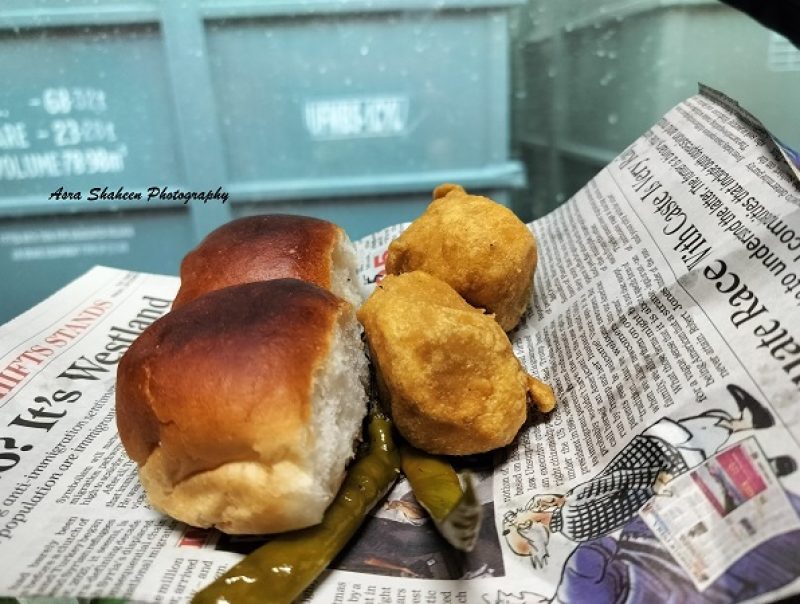
Dubbed as a fast food, a fulfilling breakfast, an easy yet sumptuous meal or a comforting tea-time snack, the humble yet very lovable vada pav is relished anytime and anywhere by anyone and everyone! A soft-textured bun with a lip-smacking potato fritter sandwiched in between – every single bite is fulfilling and satiating no matter what time of the day.
Some like to refer to it as the Bombay burger while others dub it as the common Mumbaikar’s on-the-go snack. However, the snack is today famous not just in Mumbai but has takers across India and among people of India origin globally in a world, which has become seamless in terms of food experiences.
Packed off in newspapers or folded in recycled papers locally, the little pillowed buns are accompanied by green, dry garlic or sweet tamarind chutney. Even before you un-wrap it, the aroma of the freshly baked bun and fried vada makes your mouth salivate so you can’t just wait to bite into the burst of flavors.
And any foodie worth their salt will tell you best vada pavs can be relished at the most unassuming streets, eateries, stalls and railway stations. No food app ratings or food expert reviews can ever give you the even the slightest hint of what a fresh vada pav can taste like. You got to grab one at the right place and the right time 😉