
One of the most distinctive and close-knit communities of India, the Parsis continue to strike a delicate yet dynamic balance of upholding traditions with a progressive outlook and enterprising approach. An exclusive cultural photo story of the recent Parsi New Year celebrations by Vibezeen magazine.
Commemorating 79 years of Indian Independence, this August 15 was marked by a host of celebrations nation-wide just like every year. In fact, the national festival heralds an annual calendar of celebrations that very aptly reinforce the spirit of the country’s cultural diversity, including regional, linguistic, ethnic and religious distinctiveness.
For the second consecutive year, the Parsi New Year, also known as Navroz has fallen on the Independence Day. Talking of Parsis and India’s Freedom Movement, the community has significantly contributed to the country’s Independence with leaders such as Dadabhai Naoroji, Pherozeshah Mehta and Bhikaiji Cama playing a key role in the Pre- and Post-Independent India.
One of the most distinguished and close-knit communities of India, Parsis (Zoroastrians who migrated to the Indian subcontinent from Persia between the 8 -10 Centuries) are an integral part of the cultural mosaic of the country. Their unique traditions set them apart from the Zoroastrians living in Iran and the smaller Zoroastrian Indian community from Iran. Although miniscule in terms of numbers compared to other religious communities in India, the historically entrepreneurial community continues to make an enormous contribution in businesses, industries, medicine, science, law, and arts.
Zoroastrians across the world observe Nowruz (Navroz in India) around the Spring Equinox in March. However, in India, the Parsis follow the Shahenshahi calendar and hence celebrate Navroz during July/August depending on the calendar.
Benaifer Khushroo Mehta’s Navroz Festivities – A Day of Feast, Fun & Upholding Traditions
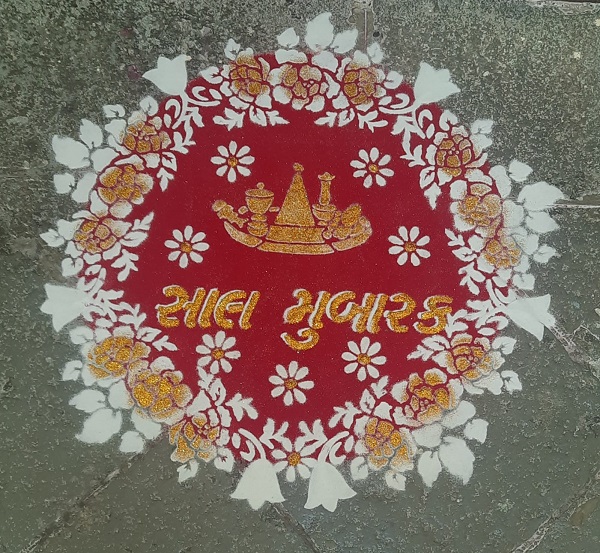
Benaifer Khushroo Mehta of Binny’s Kreation is a Mumbai-based Parsi, who is an ex-school teacher by profession. She has spent more than three decades of her life practicing chalk art (the Parsi term for Rangoli) with vivid hues and embroidery. She has been adding a dash of glitter with her creativity to personal events and cultural celebrations at prestigious hotels in Mumbai. For Benaifer, colours give flight to her artistic ideas and she takes up each occasion as a challenge.
Chalk art has been quintessential to her everyday life just the way it is for many others in the community. Chalk is a fine limestone powder used with prefabricated stencils to decorate at the main door entrance and inside the house at all door entrances. The chalk powder is put inside a metallic box and stamped onto the damp floor, creating artistic patterns. The designs are more intricate and elaborate on auspicious days such as Navroz.
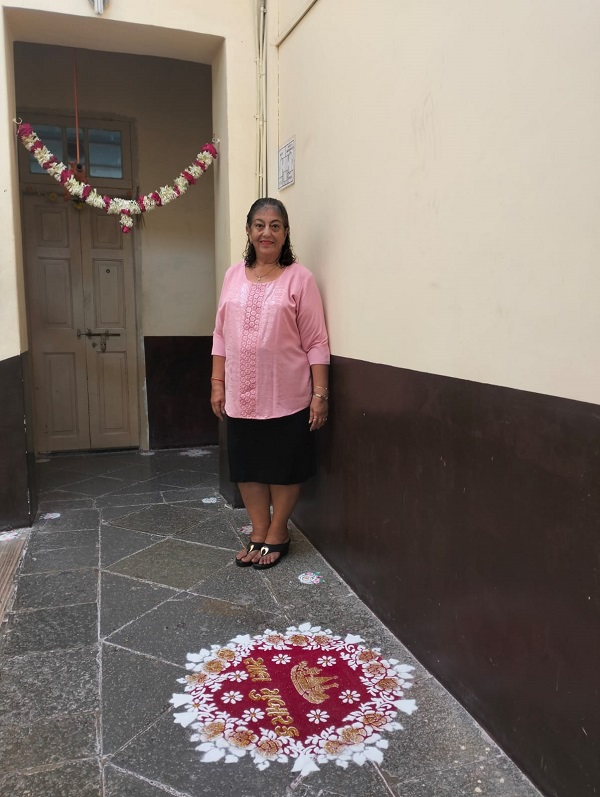
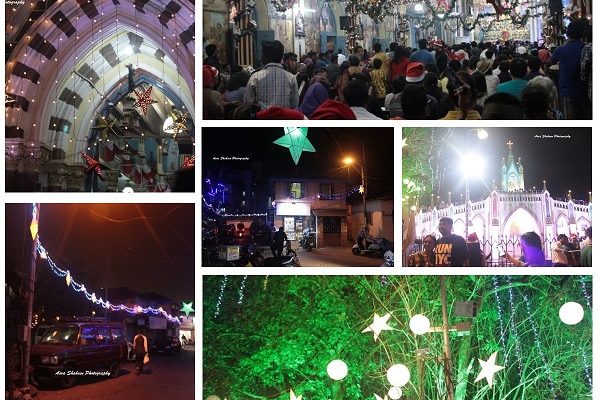
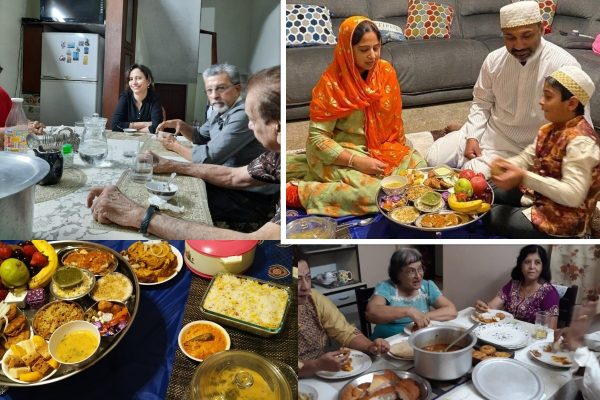
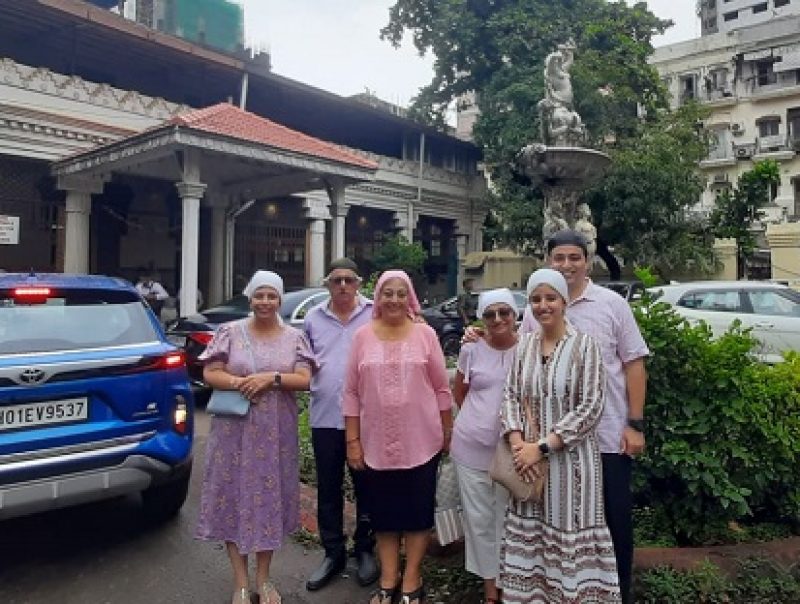
Like every year, this year too Ms Mehta decorated the entrance of her house with chalk designs and flowers. Her morning began on a sweet note with Sev (caramelized vermicelli ) and sweet curd. A visit to the Fire Temple aka the Agiary with family and friends for the special prayers is a ritual on the occasion. Later in the day, she along with her family prepared and relished the traditional lunch comprising Dhan-dar-Patio with fried fish.
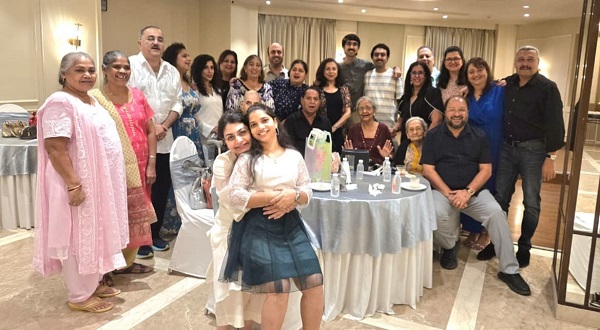
“Navroz or the New Year in our family has always meant Fire Temple, fun, food, fervor and family. It’s that one day in the year we eagerly look forward to. Although some of my family members reside outside Mumbai and India, they prepare well ahead to meet up at this time of the year in the city for some gala time together,” describes Benaifer.
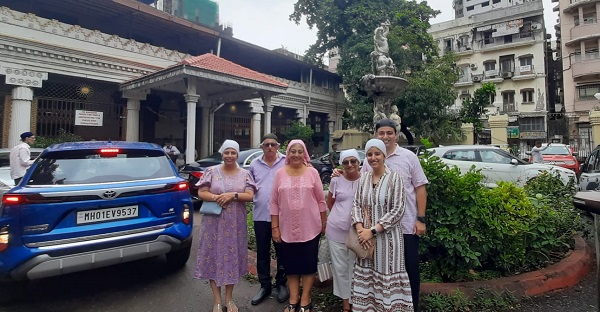
“In the evening, we generally like to treat ourselves to something exotic or and out of the box and not the regular dishes. Chinese dishes or continental dishes are something that we all look forward to,” says Mrs Mehta who totally enjoyed her famjam year at Bellisima Banquet Hall, Charni Road, Mumbai.