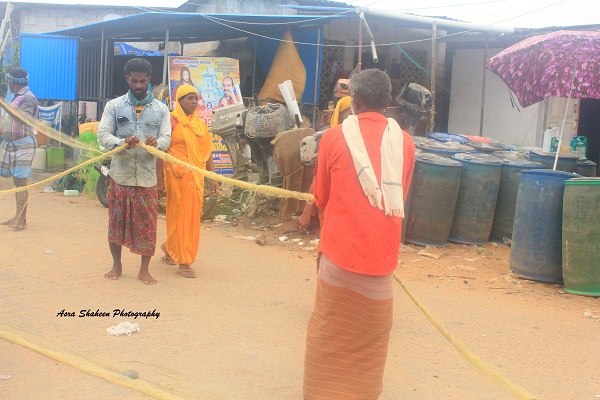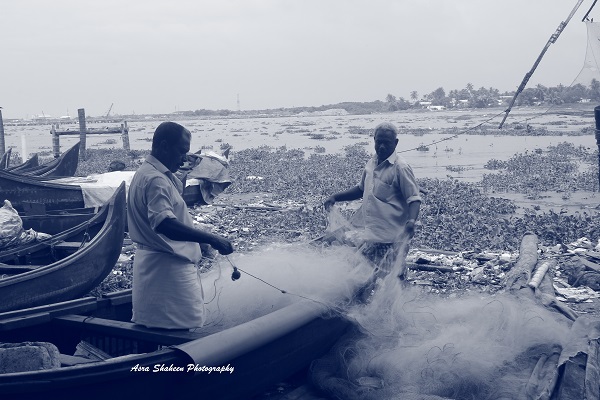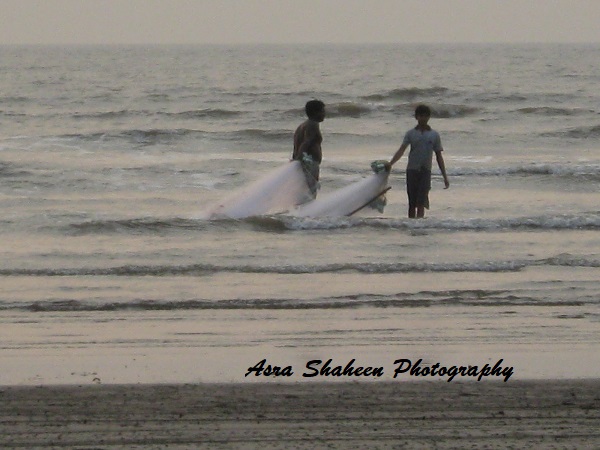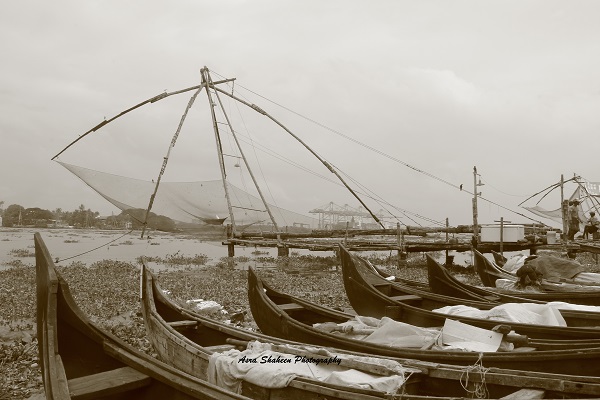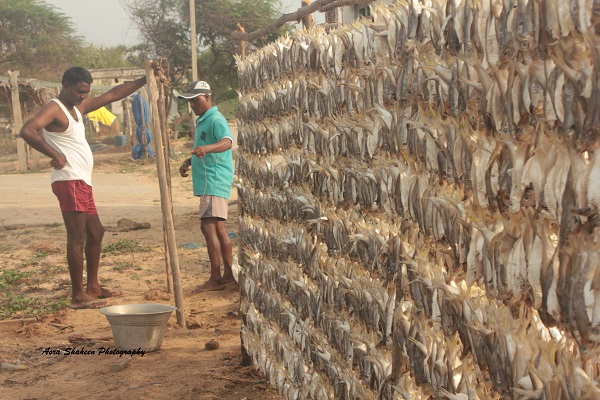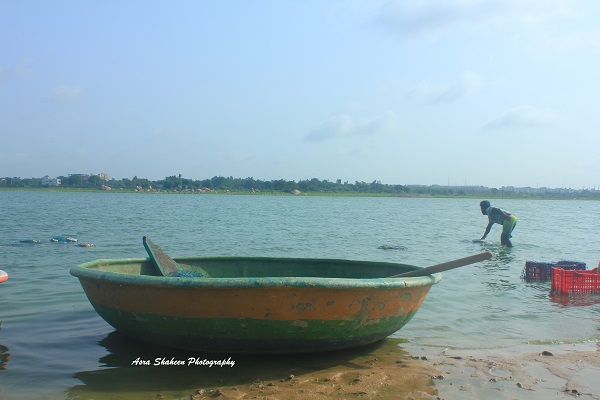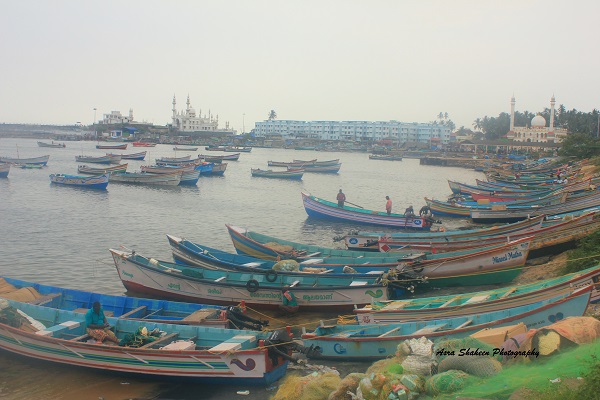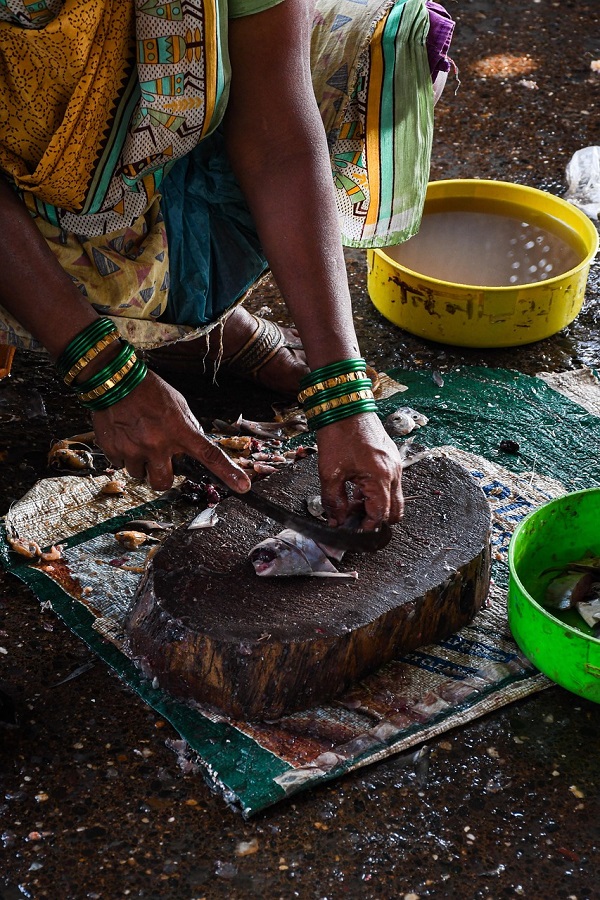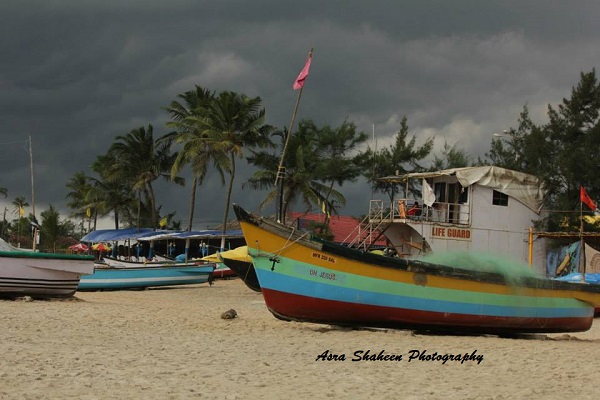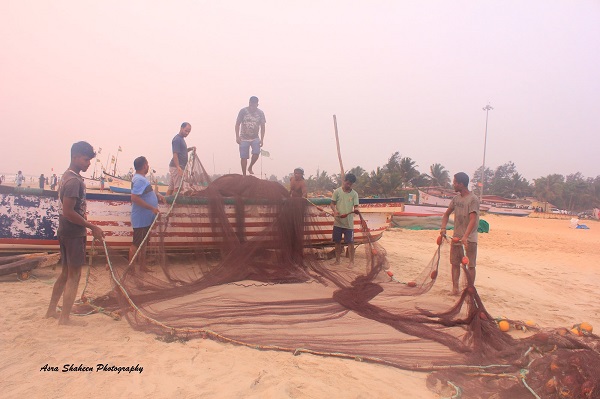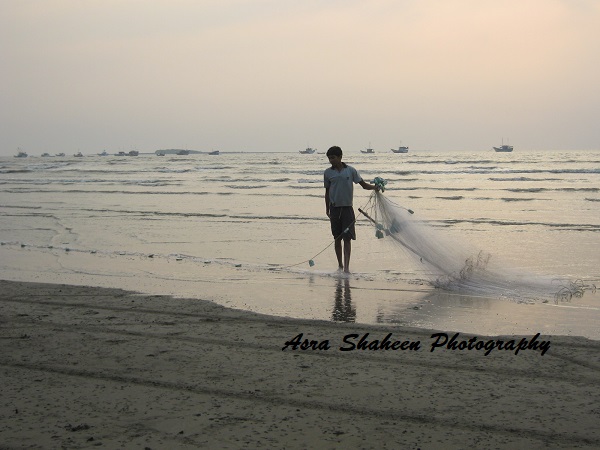

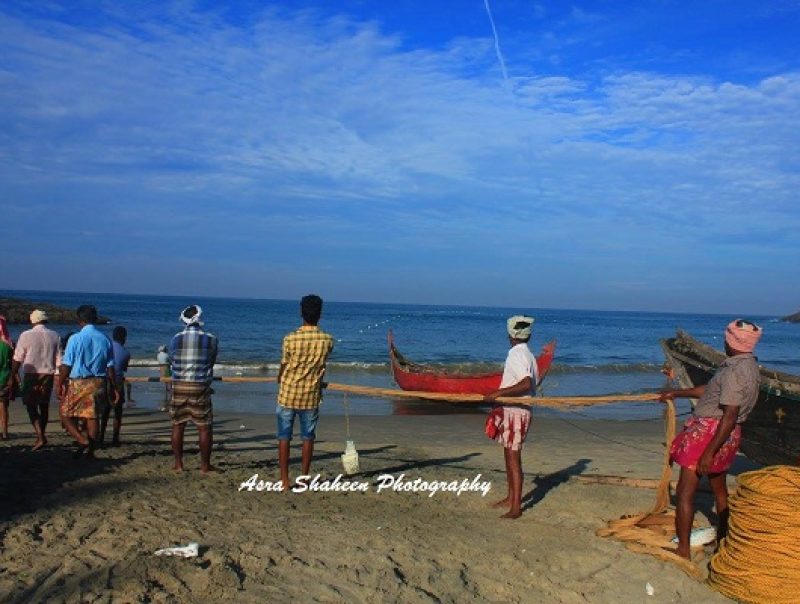
Indigenous fishing communities around the world, including in India, have a deep connection with the waterways. Fishing to these communities is their only source of livelihood, central to their cultural identity and their way of life. Their local knowledge, folk practices, and sustainable fishing methods are a living heritage passed down through generations.
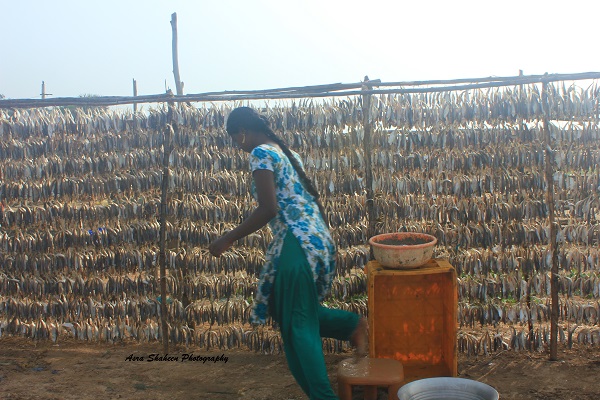
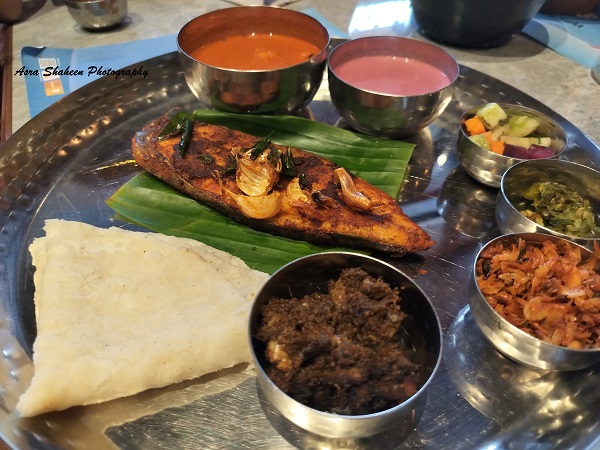
For people living in inland and landlocked regions, seafood is more of a cuisine preference. It’s a label you see on the menu card of a multi-cuisine restaurant or on the signages in supermarkets and food delivery outlets. But for those dwelling in the coastal areas, seafood is an integral part of something much bigger and beyond. These are regions where fishing is the prime source of livelihood and a way of life for several indigenous communities.
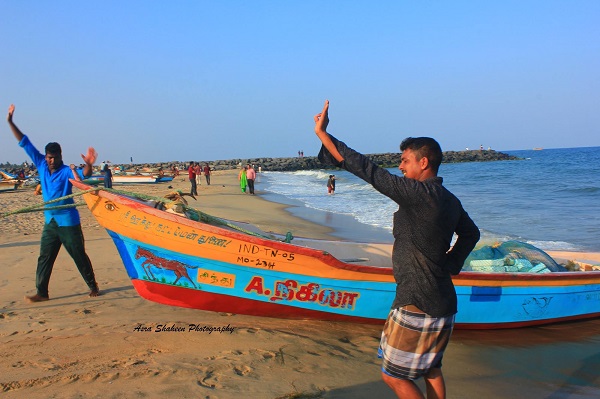
Fishing Dates Back to Early Humans
A practice that dates back to 70,000 years ago, when the early humans lived as hunter-gatherer, fishing was a necessity in the nomadic life. It later became a major source of livelihood and an economic activity when permanent settlements paved way for civilizations across the world. Traditional fishing communities around the world, including in India, developed a deep connection with the waterways.
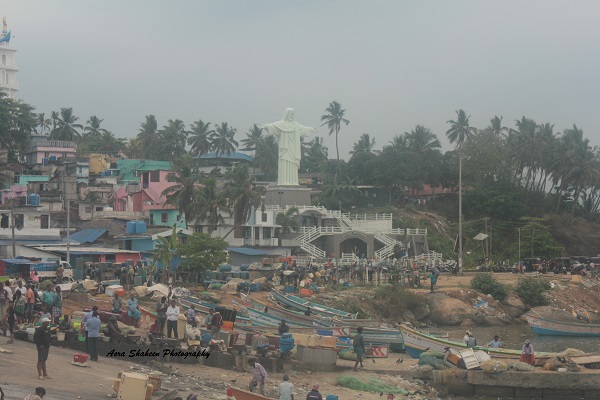
Local Fishing Communities are a Living Heritage
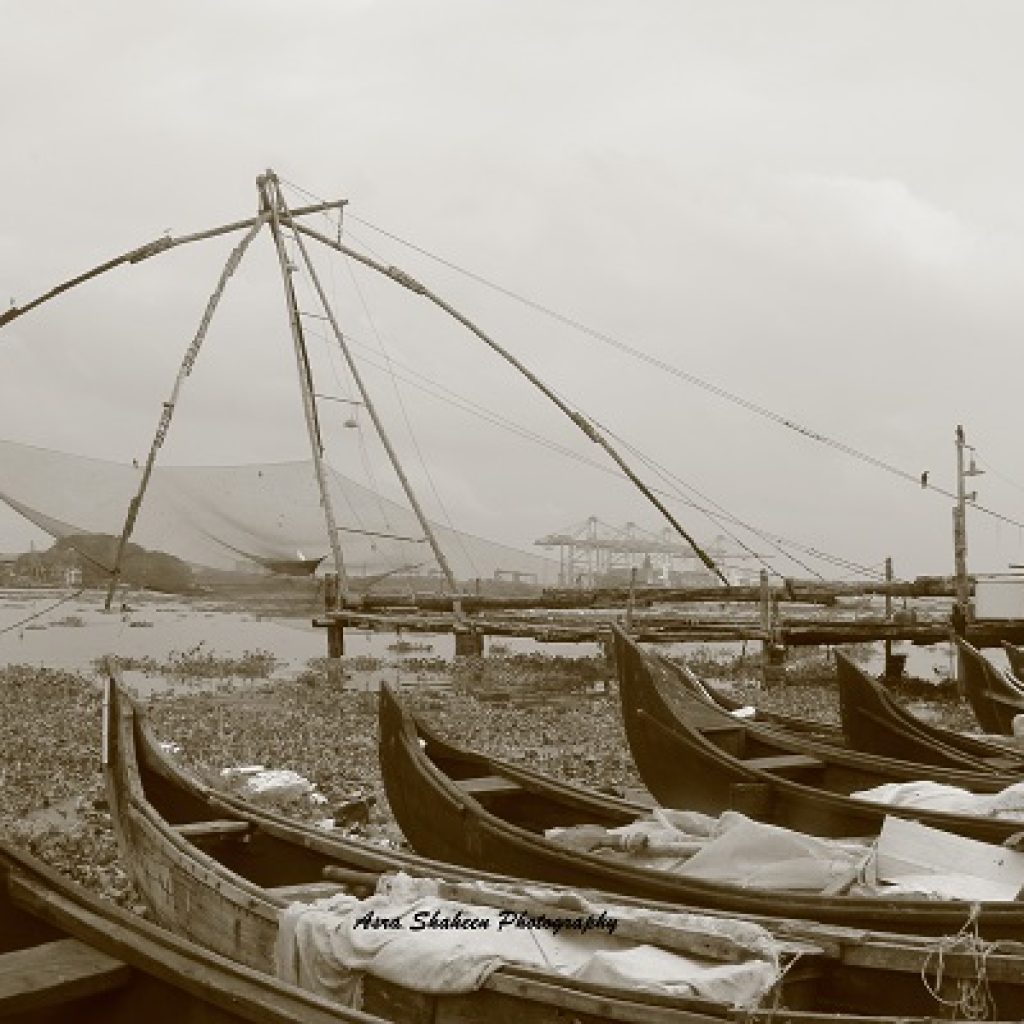
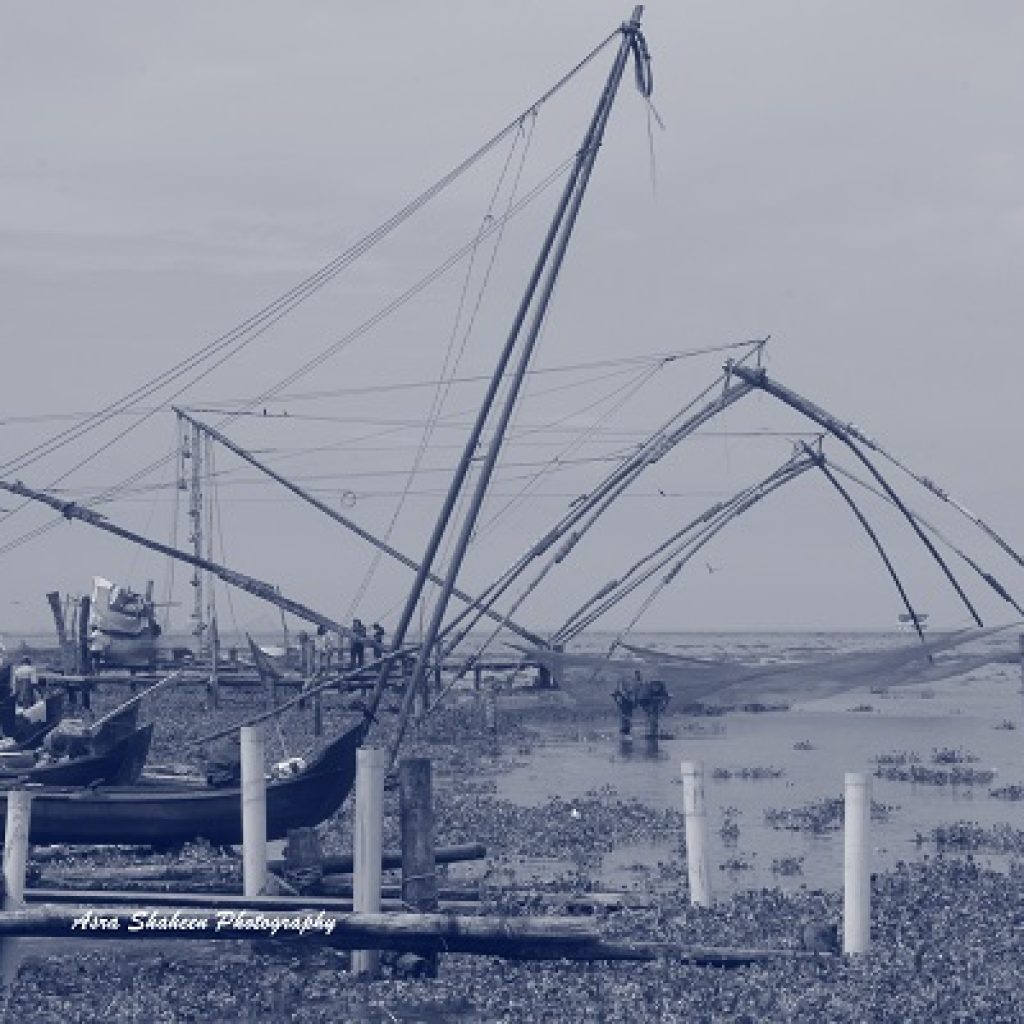
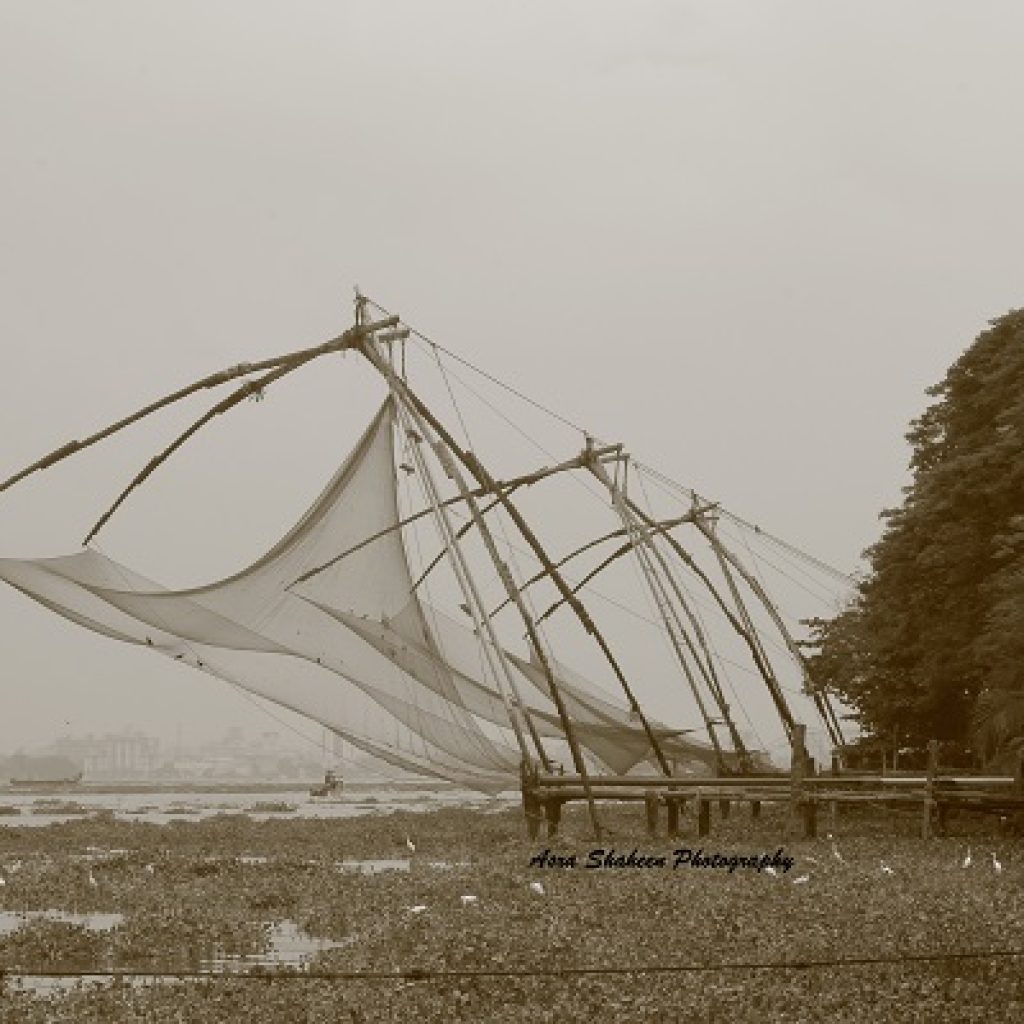
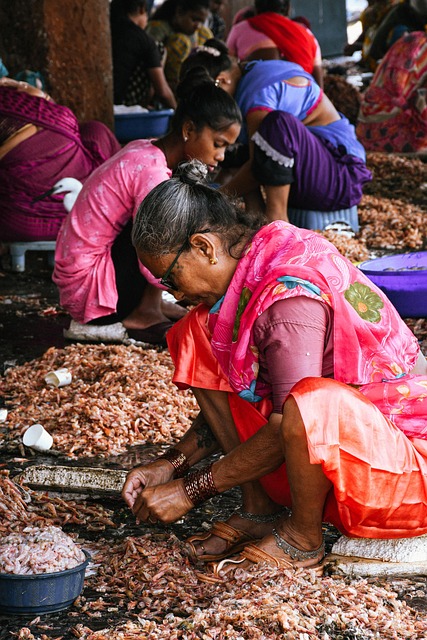
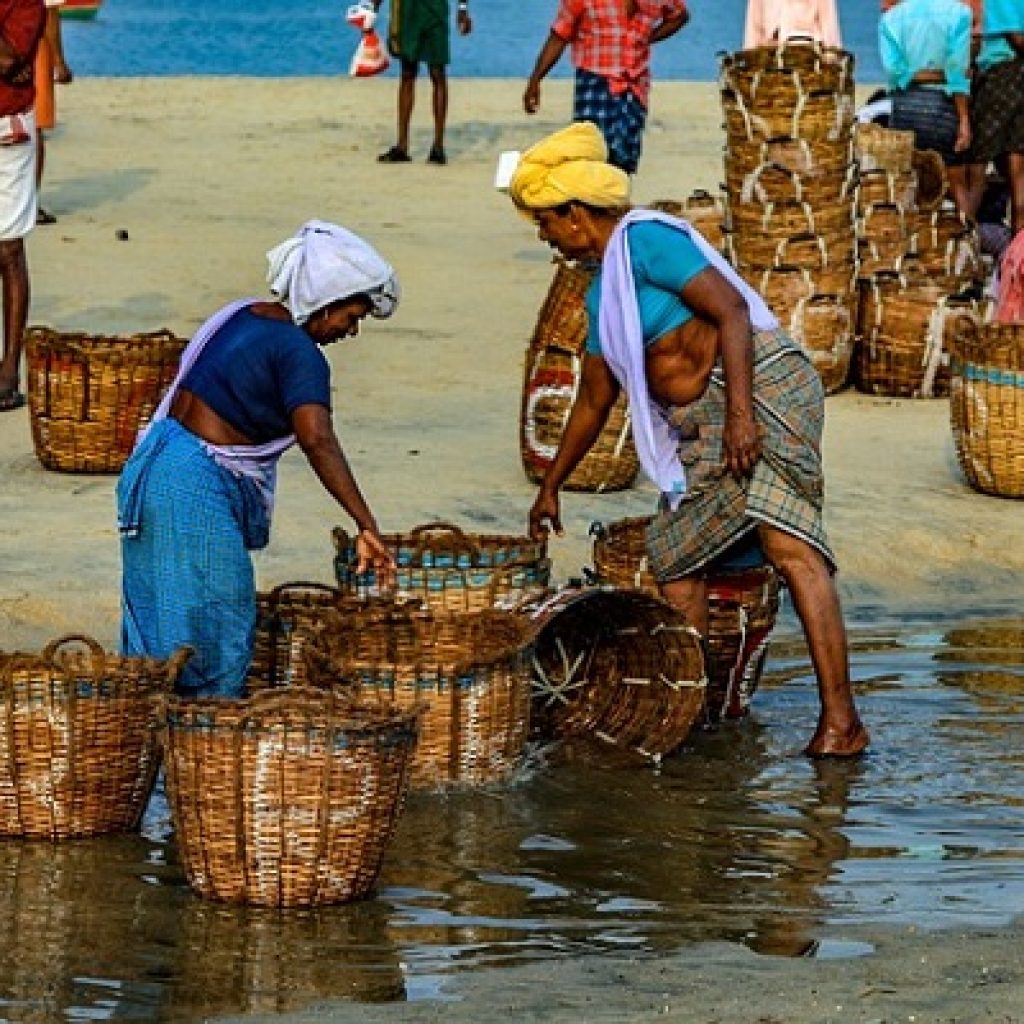
Fishing to these communities is central to their livelihoods, social structures, cultural identity and the very essence of their life. Their indigenous knowledge, folk practices, and sustainable fishing methods are a living heritage passed down generation after generation. Kolis of Maharashtra with their significant fishing history in Arabian Sea, and Dhiwar, Bhoi, and other communities have their own unique fishing practices. On the coasts of Kerala, fishing communities like those in Chellanam, Vypeen, Koyilandy, Neendakara, and Vizhinjam are well known. Tamil Nadu has fishing communities in Chennai, Thoothukudi (erstwhile Tuticorin) and Nagapattinam. Vishakhapatnam in Andhra Pradesh and Raichak in West Bengal also have prominent fishing communities, so do many others in the North East.
Impact of Large-scale Commercialization on Sustainable Fishing
What initially began as a localized activity has evolved into large-scale commercial fishing today. From using simple tools such as spears and nets, it’s transformed into a sophisticated industry with larger vessels and advanced techniques like trawling emerging in the 19th century.
However, the profit-driven large-scale commercialization has severely impacted the marine ecosystems, including rivers, seas and oceans. Large-scale fishing considerably affects the livestock and livelihoods and threatens the very ecosystems. It has also washed out the traditional fishing communities of their basic food security and cultural heritage.
To protect fish breeding stocks in India, every year a uniform 61-day fishing ban is implemented by the Government of India along both the east and west coasts. The ban is observed from April 15 to June 14 on the east coast and from June 1 to July 31 on the west coast, within the Indian Exclusive Economic Zone (EEZ). Traditional, non-motorized fishing units are typically exempt from this ban though.
Narali Purnima, Signifying the Safe Resumption of Fishing
Several fishing festivals are celebrated in the month of April, marking the end of the fishing season in various regions. On the other hand, Khairi Kashao festival in Manipur, and Narali Purnima in Maharashtra signify the end of the monsoon and safe resumption of fishing. The Narali Purnima or Coconut Festival this year falls on August 9, 2025. It is celebrated on the full moon day or Purnima of the month of Shravan by the Hindu fishing community of Maharashtra, especial the Konkan coast. The fisherfolk offer coconut to Varuna, the sea god, and also offer prayers to the sea for safety and wellbeing. It is also marked by singing traditional songs and performing aartis at the seashore. It’s only after offering a coconut to the god at high tide on Narali Purnima that fisherfolk resume fishing and consuming fish.