


Stress and anxiety are often associated with only “tough situations” and “extreme circumstances”. The more common patterns of behaviour in our daily routines often go unnoticed – be it at schools/colleges, workplaces or at home. And while occasional recreations and vacations provide the much-needed breaks, when you return back to everyday lives, so do stress and anxiety. Perhaps, self-care is not merely a one-time leisure indulgence or detox holidaying. It’s a way of life requiring consistent commitment on a day-to-day basis towards physical, mental and holistic wellbeing.
A teenager’s fixation with clicking innumerable selfies at outings may draw quick-to-conclude comment from their parents: “This generation’s obsession with smartphone”. But the tables turn around when the same parents get upset, in fact at times paranoid, when the teenager misses their consecutive phone calls. They expect the younger generation to use the gadgets for what they deem as “important”. Across age groups and genders, the perceived need to “stay connected” and looped through gadgets is impacting mental health in more ways than one. However, smartphones is one major cause of mental stress. There is a whole gamut of factors other than gadget.
Anxiety and stress are often misunderstood and associated with only “very tough situations” or “extreme circumstances”. The more common behaviours in our everyday lives often go unnoticed. But it is exactly these behavioural patterns that persistently affect the mental health as they are so ingrained in our daily grind that they are almost unidentifiable.

Identifying Buildup of Stress in Everyday Life
- A hectic or unpredictable daily schedule
- Work/school/college life pressures
- Feeling constantly overwhelmed by routine tasks
- Increased screen time/social media use, especially before bedtime
- Relationship issues & Parenting
- Indecisiveness, especially when it comes to setting boundaries in work and relationship related matters.
These and several other such factors can build up and lead to burnout and severe anxiety.
While detox vacations, weekend getaways or career breaks provide the much-needed hiatus for that matter, when you return back to routine, so does the stress and anxiety. Here are some real-life instances of what stress and anxiety in everyday life looks like. Psychotherapists share valuable suggestions for managing and mitigating anxiety and stress with Vibezeen magazine.
Rush hour & the Racing Mind
Suma keeps snoozing her alarm almost every morning. Owing to stretched working hours, she can barely open her eyes when the clock goes six. It was no different on the day of her quarterly review presentation at office. When she finally woke up to the bright daylight in her room it was 8 am! She must reach office in another two hours; well prepared in every way for the presentation. She is hurrying up with her chores on her own as she lives by herself. But it’s her mind that is racing faster than her hands and feet. The overthinking ‘monkey mind’ wanders: “It’s a complete disaster today… I am going to be late because of traffic for sure…. To top it all, my team leader has not even replied to the documents I emailed her last evening… Seems she is not happy with me like always… I have messed up everything. I cancelled my vacation so I could earn brownie points before appraisals. It’s just Tuesday today. Four long days to go before I can catch up with some me-time…”
She chooses to skip breakfast although her cook prepared her favourite meal. The same evening, while sipping coffee she looked back at the day, which contrary to her worries wasn’t anything extraordinarily different from other days. The presentation went by with the usual unease she experiences in the first few minutes but she caught up the momentum in the later half.

Expert Speak:
Tanvi Khanna, Counselling Psychologist, GoodLives, observes, “Suma’s experience is something many of us go through: a rushed morning, an overactive mind, and our choices such as skipping breakfast that ripple into how we feel the whole day. When we wake up late or feel unprepared, our thoughts often spiral into worst-case scenarios. This monkey mind makes stress feel bigger than it really is. These mental loops can trigger mood swings, making us feel irritable, anxious, or even defeated before the day has really begun.
Mornings set the tone for the rest of the day. Even simple things like eating something light, taking five minutes to breathe, or writing down top priorities can calm the nervous system. When the body is cared for (with food, hydration, rest), the mind is less likely to spin into overdrive. Breakfast isn’t just about food — it’s about stabilizing blood sugar after a night of fasting. Skipping it can cause sudden energy drops, poor concentration, and mood fluctuations throughout the day. People who regularly skip breakfast are more likely to feel fatigued, have cravings later, or find themselves “snappy” in stressful situations.”
Hacks for Sailing through a Hectic Day:
1. Eating something small: A banana, a handful of nuts, or toast is better than skipping breakfast altogether.
2. Two-minute grounding: Sit, close your eyes, and take 5 deep breaths. Notice your body, the room, and one thing you’re grateful for.
3. One Top Priority: Write down the single most important thing to get done today. This prevents feeling scattered.
4. No Snooze Rule: Keep your alarm away from your bed. Getting up on the first ring helps avoid starting the day in panic mode.

Self reflection – “It’s ok to feel the way I do but I need to check my reactions”
Divyain feels stuck in his new startup business. He is very upset with his business partner, Vikas, who has taken some important decisions at work without consulting him. However, Divyain has never confronted Vikas about his objections. He ruminates over Vikas’ behaviour and feels frustrated. Divyain thinks Vikas takes him for granted as the latter is highly qualified academically and has better financial backing than him. Divyain tries to suppress these resentments but can’t help reacting curtly at times. The other day when Vikas suggested a team outing at Divyain’s favorute resort, he snubbed back and declined, “You go ahead”. On being asked if anything was bothering him, Divyain made up some excuses and avoided straight talk.

Expert Speak:
Akanksha Toor Dua, Counselling Psychologist, GoodLives, points out, “It is sometimes better to pause and check one’s feelings before reacting. Taking time to process one’s own emotions and gain clarity before initiating an open, constructive conversation would be the healthier approach. Asking oneself: ‘Why this is so upsetting and why am I letting this take a toll on myself,’ may bring some sanity to the situation. Occasional journaling and self-talk are also recommended. Confiding your feelings to trust-worthy loved ones or a talk therapist can help in giving vent to one’s thoughts in safe spaces and also opens your mind to different perspectives. Accepting one’s own imperfections and self-compassion helps in understanding that no one is flawless.”

Constantly Neglecting Your Own Needs in Favour of Others Leads to Burnout
Prisha is completely overwhelmed with the elaborate engagement and wedding preparation of her younger brother-in-law. From shopping to designing the invites, she wants complete charge of everything. She takes pride in her perfectionism, which earned her the title of being the most “favoured” and “responsible” daughter-in-law in the family. As her elderly in-laws, who have also moved in with them don’t keep well, she feels all the more compelled to go out of her way every time there’s an extended family gathering. While her husband also handles many of the chores with earnestness, it’s no mean task to handle all this along with parenting their two school-going children. Prisha’s morning walks have become very infrequent and the once voracious reader doesn’t remember the last time she read her favorite author’s paperback.
The toll on her health is quite glaring with poor quality of sleep, constant lethargy, recurrent mood swings and irregular monthly periods to mention a few.
Expert Speak:
Tanvi Khanna elaborates, “Prisha’s story is familiar to many of us who are constantly trying to be the “perfect” family member, partner, and parent all at once. While her dedication comes from love and responsibility, the strain on her health is a signal that something deeper is at play. Wanting to be liked, appreciated, or seen as dependable often pushes us to take on more than we can handle. Over time, constantly meeting others’ needs at the cost of our own leaves us exhausted, resentful, and unwell. Skipping self-care, hobbies, and rest eventually shows up as mood swings, poor sleep, and even physical concerns like irregular menstrual cycles in women. Our body keeps the score – it tells us when we are stretching ourselves too thin.”
She further adds, “Striving for excellence is good, but when “nothing less than perfect” becomes the standard, it creates never-ending pressure. Families may admire the results, but perfectionism often eats into one’s health, peace of mind, and relationships.”

Small Steps to Break the Cycle
1. Pause & Check-in: Before saying yes, ask: “Do I really have the time and energy for this?”
2. Share the Load: Delegate tasks — others may not do it perfectly, but good enough is often enough.
3. Reclaim ‘Me-Time’: Even 15 minutes daily for a walk, book, or tea in silence helps recharge.
There is no “to-do” list but a “to be” approach when it comes to mental health. Be it schools/colleges or workplaces, family responsibilities and societal obligations, it’s always about “how can I do something more”. However, mental health is not about “doing” more. It’s about being and treating yourself better, which is the first step towards self-care. Self-care, unlike what is projected by commercial advertisements and other content in media, is not a one-time indulgence but a sustained way of life. It’s a consistent effort on a day-to-day basis towards practicing physical, mental and holistic wellbeing.

Here’s what self-care in everyday life looks like:

- Allowing yourself to be tired. You are human and it is very natural to feel tired.
- It’s ok to make mistakes. You do not have to wear perfection or the goal of achieving one as a badge of honor.
- Setting healthy boundaries for yourself and learning to say no politely but firmly.
- Expressing yourself clearly. There may be hesitation initially but you get better with practice and patience.
- Allow yourself to slow down and be present in the little moments rather than waiting and over-planning “good times” in future.
- Food and nutrition: Timely nutritious meals are the most important prerequisites for “feeling good” inherently.
- Quality sleep is the quintessence for relaxation, rejuvenation and overall health. Keep a tab on your screen time through the day and reduce it drastically the closer it gets to your bedtime.
- Keep the physical momentum on with whatever is best possible in your lifestyle. It could be walking, workout/yoga at home, gyming, cycling or sports.
- Taking breaks from work, which needn’t be only long vacations. Small pauses on a consistent basis are far more effective.
- Taking time out regularly for activities that give you joy, which could include reading a book, watching a movie, nature walks, painting, singing, dancing or any other activity.
- Nurture connections with loved ones who matter to you the most. You can have your own unique ways of staying in touch. You do not necessarily have to check list with social media feeds.

Helpline Numbers
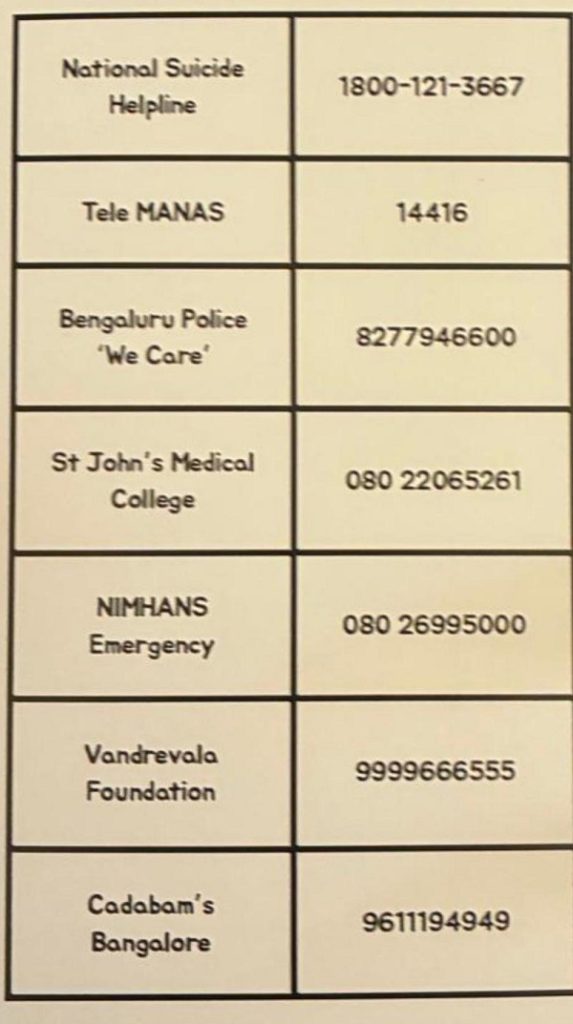
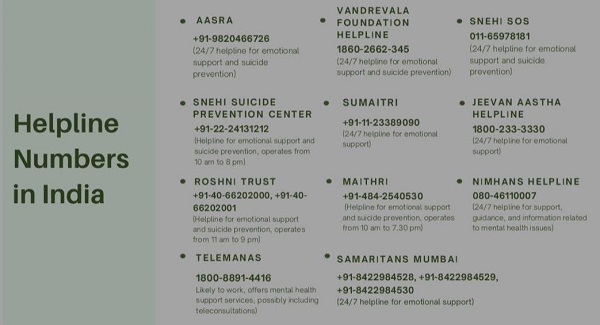
Some names have been changed to maintain confidentiality
Vibezeen expresses sincere gratitude to GoodLives, a mental health services holistic wellness platform, for their invaluable insights and expert guidance in this article.
The writer would also like to thank Apeksha, a trauma-informed and queer affirmative therapist, by acknowledging her for generously sharing her inputs and her continued support in enabling the website-magazine in raising awareness about mental health.
Click the social media handles below to get in touch with professional psychotherapists: